
Breaking Into Silicon Valley & Leading Asian Innovation with Leo Liu (ex-Tesla)
What It Takes to Succeed as an Entrepreneur Across Cultures and Global Markets
Succeeding across cultures requires an owner mindset, comfort with ambiguity, cultural fluency, strong relationships, and the ability to adapt strategy, communication, and execution to radically different global markets.
A Global Entrepreneurial Perspective
Leo Liu is an entrepreneur, investor, and technology leader whose career spans 16 cities, multiple continents, and more than 10 industries. From Taiwan to Singapore, Vancouver, Silicon Valley, Shanghai, Beijing, and Hong Kong, his journey has shaped a deeply global view of entrepreneurship.
Early independence and unconventional life decisions helped Leo develop curiosity, adaptability, and cultural awareness. These are core skills for operating across borders.
Developing an Owner Mindset Early
At just ten years old, Leo made the defining decision to move abroad alone. This early exposure to uncertainty forced him to take responsibility, make independent decisions, and navigate unfamiliar environments.
That experience cultivated what Leo describes as an owner mindset, a foundation that later prepared him for leadership roles at companies such as WebEx, Cisco, Tesla, and Dentsu.
Adapting to Silicon Valley’s Competitive Culture
According to Leo, Silicon Valley operates under constant competitive pressure.
Markets move fast, incumbents are never safe, and success is always temporary. Entrepreneurs must embrace speed, ambition, and the understanding that dominance today offers no guarantees tomorrow.
Closing Deals in China Requires Cultural Fluency
Leo emphasizes that doing business in China demands a fundamentally different approach than in Western markets.
Trust-building, long-term relationships, and cultural understanding are prerequisites for closing deals. Transactions follow relationships—not the other way around.
Learning From Tesla’s “Dig the Hole First” Philosophy
One of the operating principles Leo highlights from his time at Tesla is the idea of “digging the hole first.”
This philosophy prioritizes building foundational infrastructure and systems before scaling aggressively, ensuring that growth is sustainable rather than fragile.
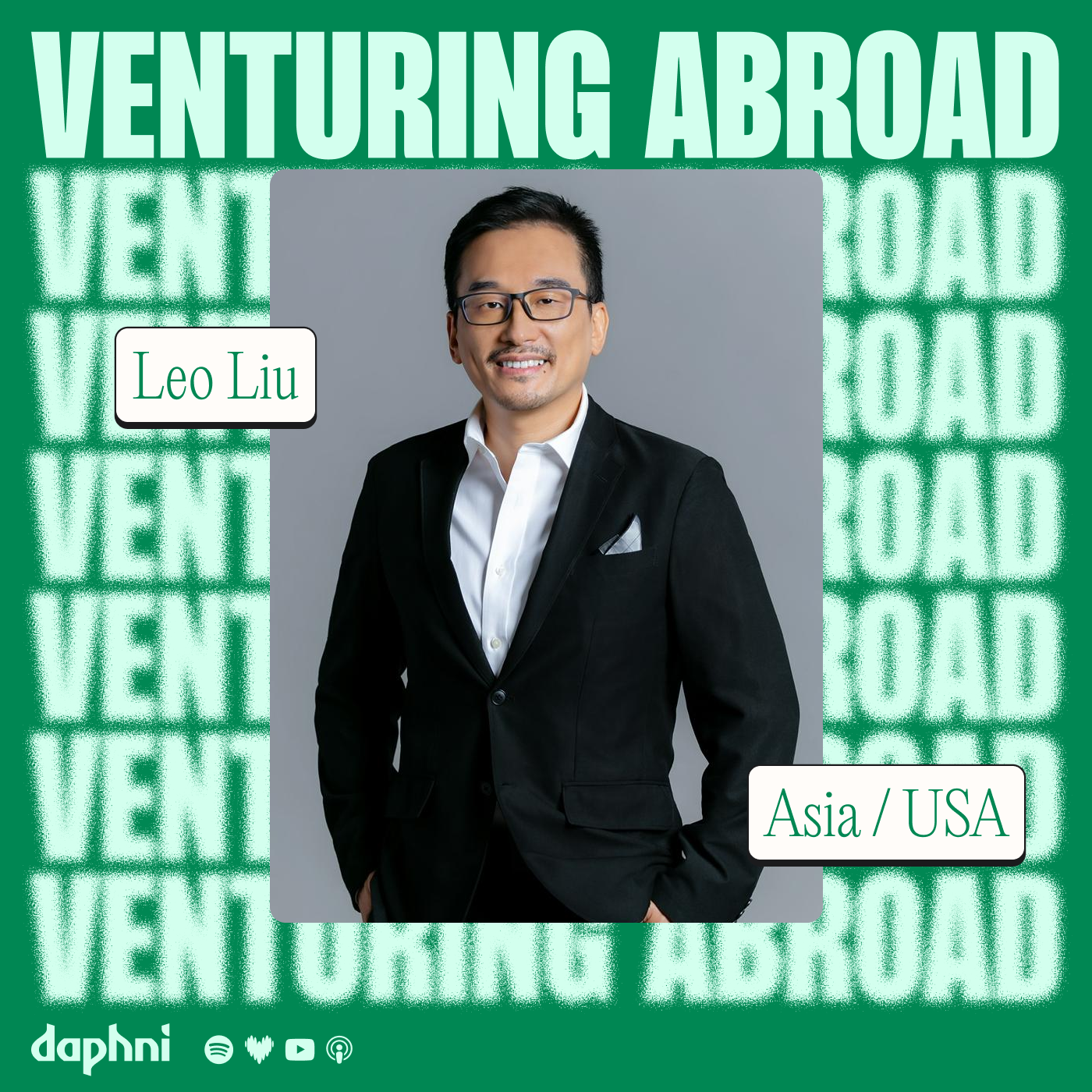
More episodes

How Europe Can Build Global Tech Giants with Tom Guinness (Raising Europe)
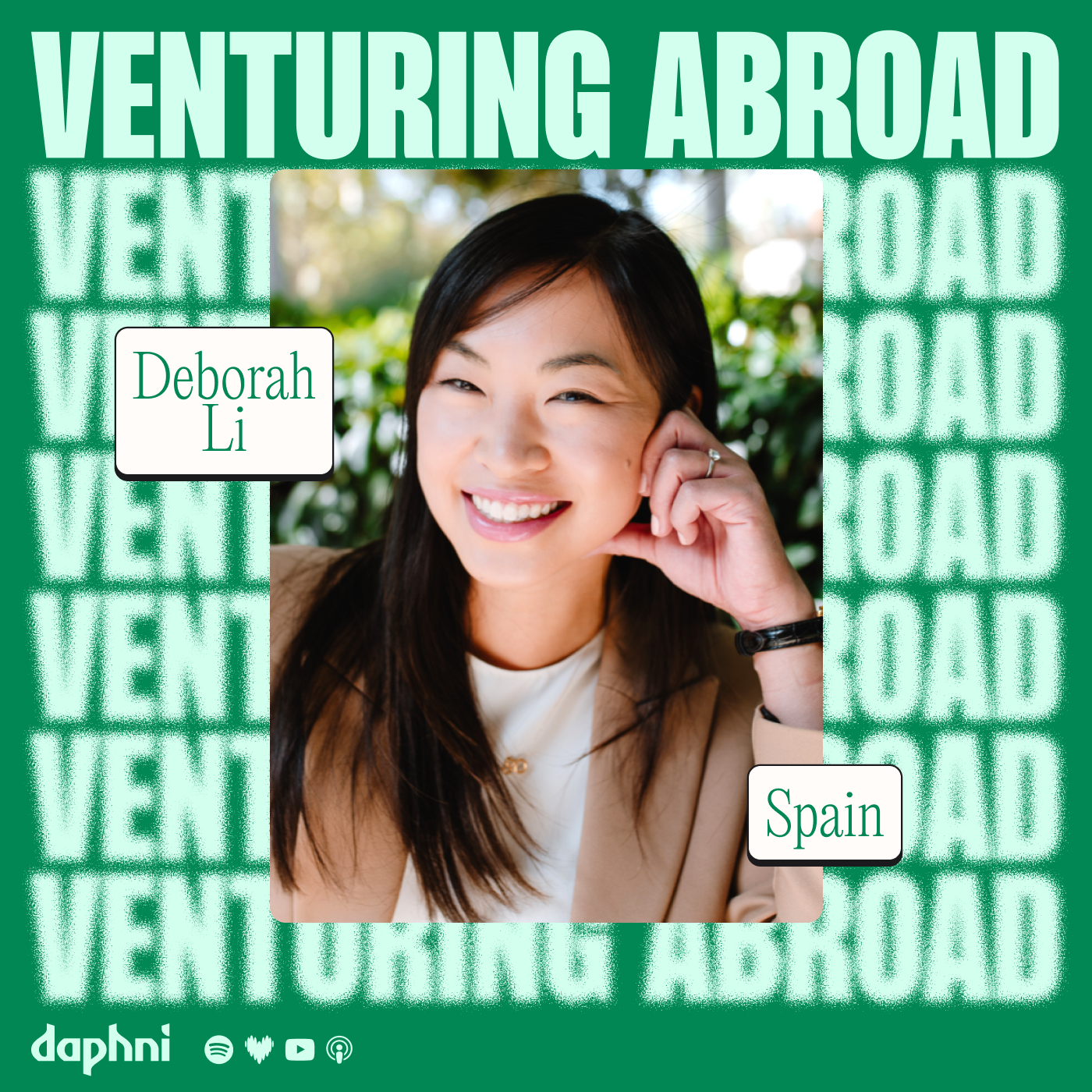
How Spain Is Building a Global Startup Ecosystem with Deborah Li (Alta One)

How to Build the Next Generation of Climate Companies with Jonny Everett (Marble)
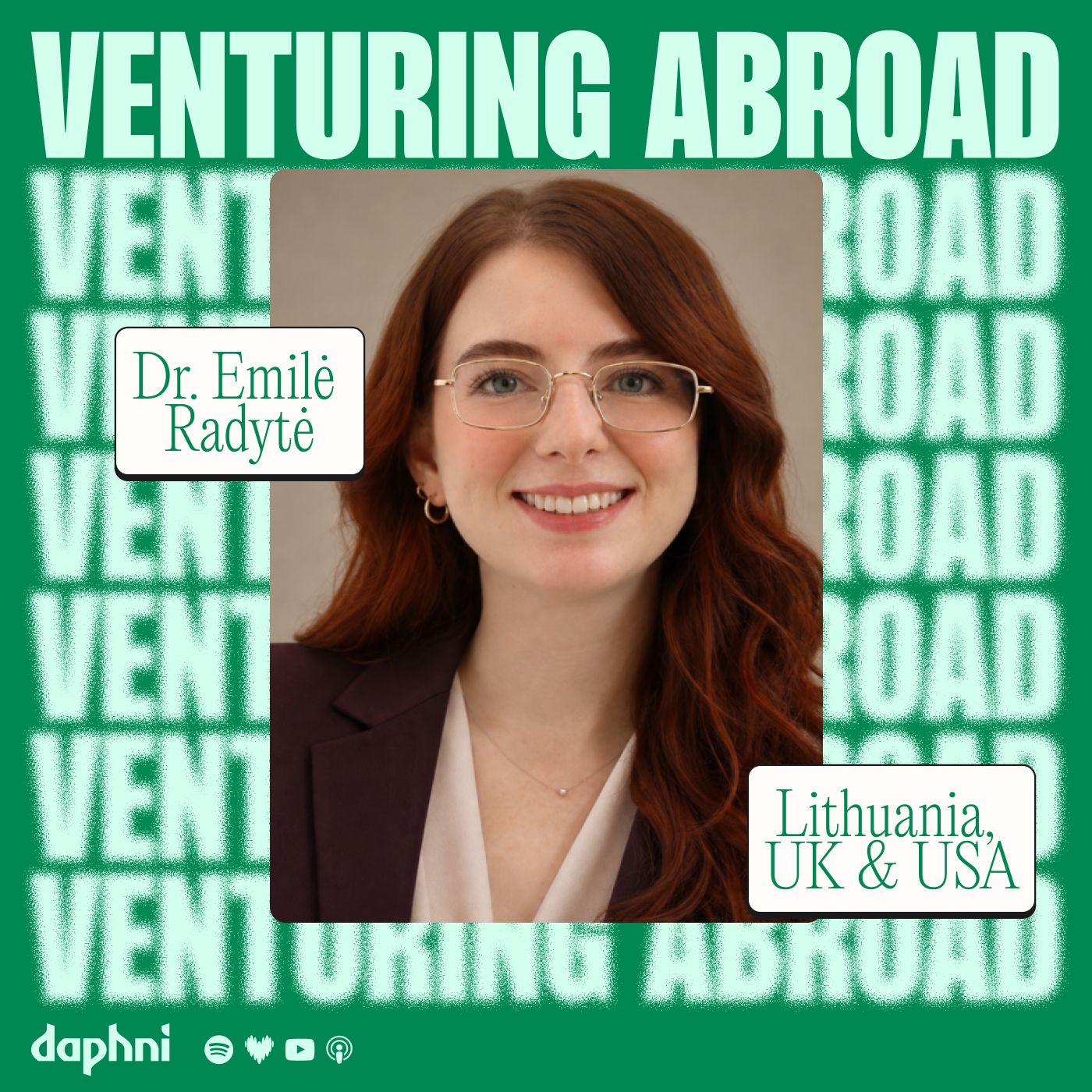
How Moving Abroad Changes the Way You Build with Emilė Radytė (Samphire Neuroscience)
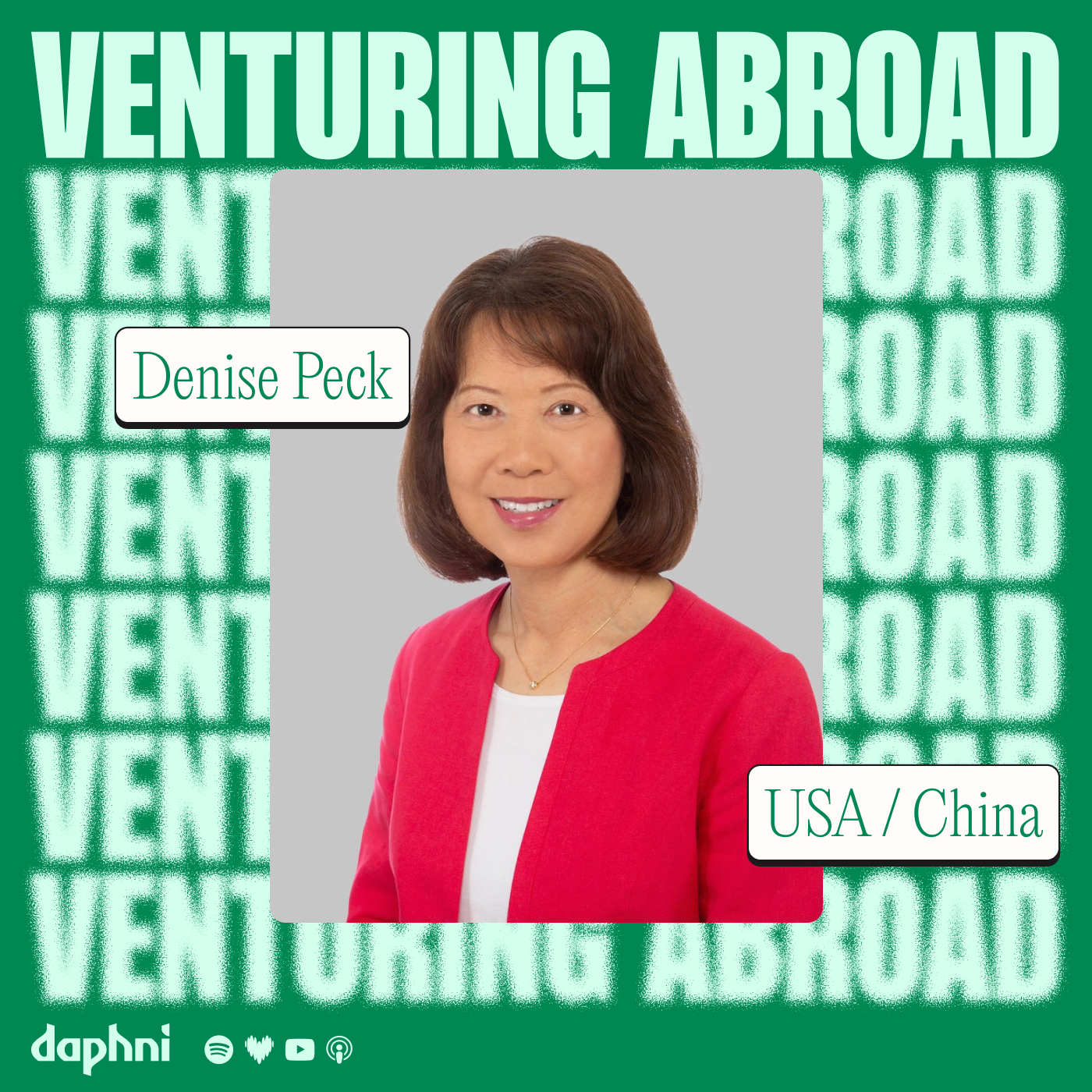
How to Lead in Silicon Valley with Denise Peck (ex-Cisco)
Analyzing Europe's tech ecosystem with Michael Jackson (investor)
Navigating Asia’s Tech Ecosystem with Ines Gafsi (Blissmi)
Breaking Down France’s Startup Revolution with Chris O'Brien (The French Tech Journal)
Building a World-Leading Company with Monika Liikamaa (Enfuce)