
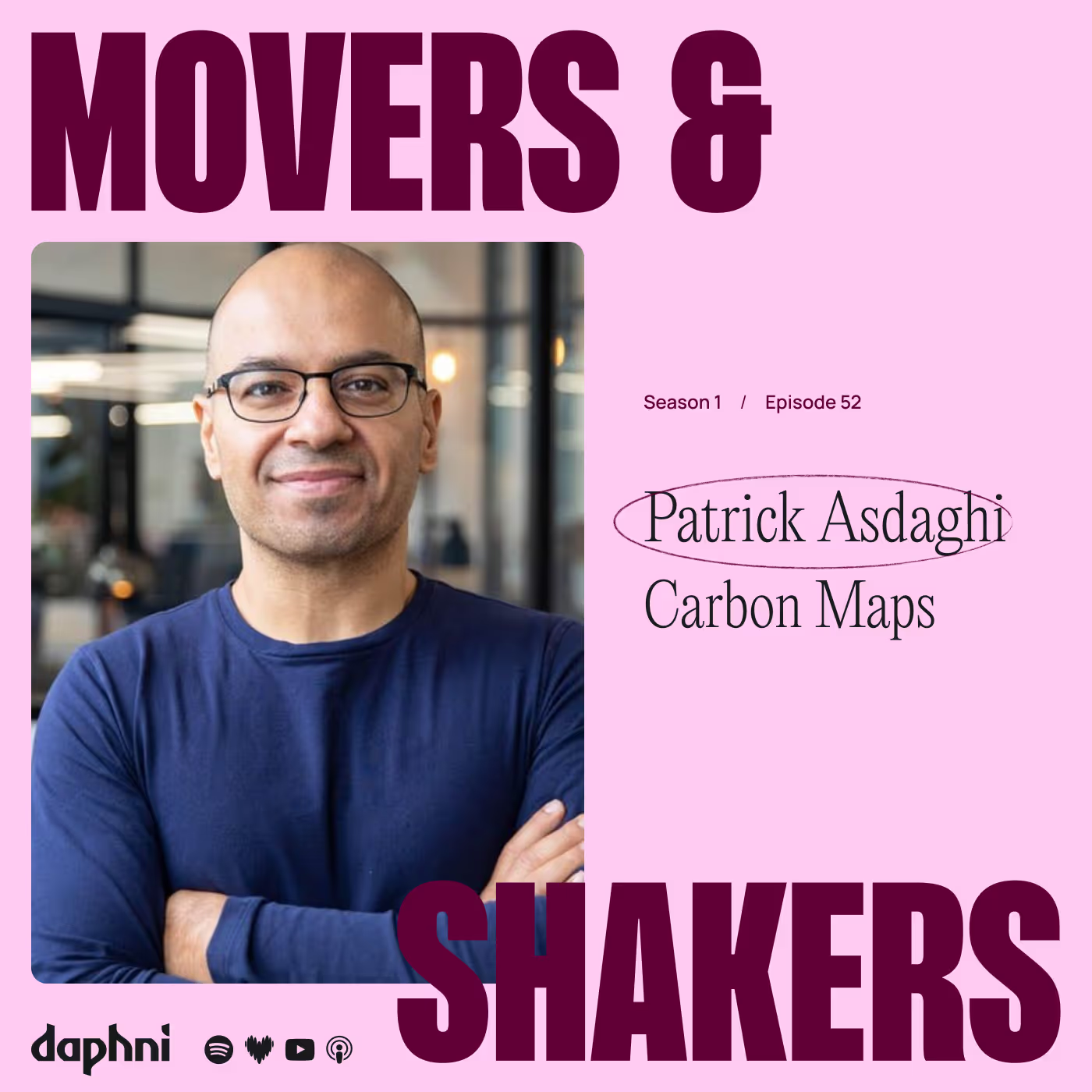
The Environmental Transition, with Patrick Asdaghi (Carbon Maps)
How Data and Eco-Scoring Tools Can Transform the Agri-Food Industry’s Environmental Impact
Data and eco-scoring tools help the agri-food industry measure environmental impact, guide sustainable decisions, ensure regulatory compliance, and accelerate transition by turning complex data into clear, actionable insights at scale.
Measuring Environmental Impact With Data
The agri-food industry’s environmental footprint is complex and difficult to assess. Data platforms like Carbon Maps aggregate and analyze environmental indicators across products, ingredients, and supply chains to create reliable impact measurements.
Eco-Scoring as a Decision-Making Tool
Eco-scores translate environmental data into simple, comparable indicators. These scores help food companies identify high-impact areas, prioritize improvements, and make sustainability a concrete operational criterion rather than an abstract goal.
Preparing for Environmental Regulation
With eco-score regulations scheduled for January 2024, data-driven tools are becoming essential. Carbon Maps supports companies in anticipating regulatory requirements and aligning operations with upcoming environmental standards.
Accelerating Transition Through Technology
Founded by Patrick Asdaghi, Carbon Maps aims to accelerate the environmental transition of the agri-food sector by embedding sustainability directly into product design, sourcing, and strategy decisions.
From Measurement to Transformation
Eco-scoring tools do more than measure impact. Rather, they drive change. By making environmental performance visible and actionable, data platforms empower agri-food players to reduce emissions, improve transparency, and build more sustainable food systems.
More episodes
Bringing Solar Power Down From Space, with Jasper Deprez (TerraSpark)

Breaking the Cycle of Social Inequality, with Florence Massenot (Télémaque)
The Founder Community Changing Europe with Cristian Pinto (pluto)

The Power of Connection with Michel Jusforges (Autremonde)
Rethinking Startup Boards with Solènne Niedercorn (Finscale)

Reinventing franchising with Anton Soulier (Alpa)
Industrial Costs with Mickael Mamou (Relief)

Media as a Catalyst for Climate Innovation with Hugo Rauch (New Wave)

Embracing a Build-first Mindset with Nicolas Mazurier (Aywen, YouTuber)