
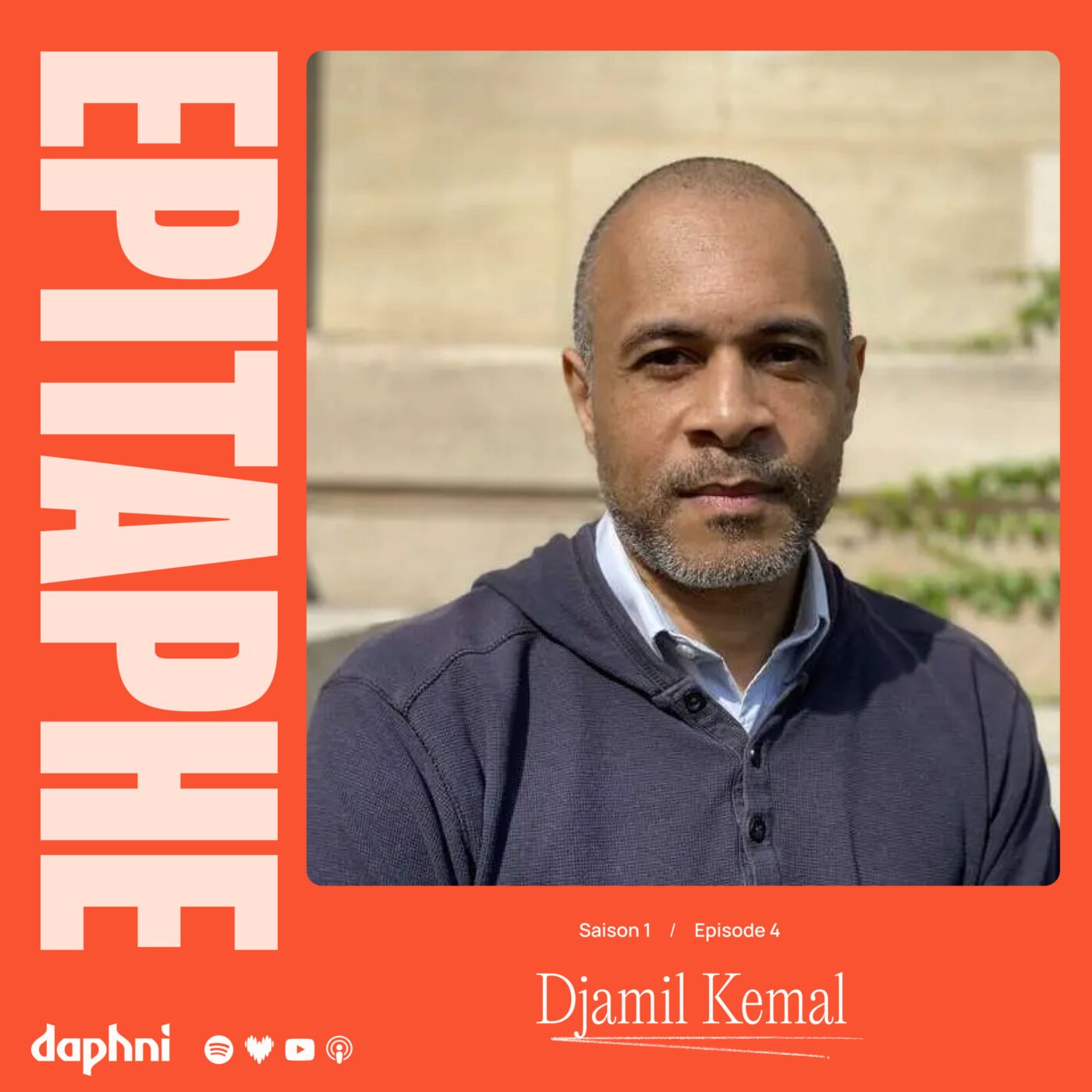
Mastering your market to perfection, with Djamil Kemal (Goshaba)
Why Startups Fail Despite Strong Teams and Funding
Startups often fail despite strong teams and funding due to misaligned founders, unclear strategic vision, poor market understanding, and untested assumptions that weaken execution and decision-making over time.
Learning From Startup Failure
In this episode, we welcome Djamil Kemal, co-founder of Goshaba, a startup launched in 2014 with the ambition to make recruitment more equitable using cognitive science, gamification, and data.
Despite a talented team, sufficient funding, and promising technology, Goshaba ultimately closed, offering valuable lessons about why startups fail beyond surface-level strengths.
Founder Alignment Is a Structural Requirement
According to Djamil, one of the most critical factors in sustaining a startup is alignment among co-founders.
Without a shared vision and common priorities:
- Strategic decisions become inconsistent
- Execution slows or fragments
- Long-term resilience is compromised
Alignment is not optional; it is foundational.
Strategic Clarity Depends on Market Understanding
Another key reason startups fail is an insufficient understanding of their target market.
Djamil emphasizes that startups cannot move forward without:
- A clear definition of their customer
- A precise value proposition
- A strong grasp of real user needs
Vague market vision leads to unfocused strategy and weak positioning.
Assumptions Must Be Tested, Not Assumed
Building a company requires making assumptions, but those assumptions must be validated.
Djamil warns that:
- Untested hypotheses create false confidence
- Lack of measurement hides structural weaknesses
- Working without data is equivalent to building on shifting sand
Testing and measurement are essential to strategic clarity.
Lessons for Founders and Leaders
This conversation highlights that startup success is not guaranteed by talent or capital alone.
Sustainable companies require:
- Deep founder alignment
- Clear strategic direction
- Strong market understanding
- Continuous validation of assumptions
Failure, when examined honestly, can become one of the most powerful learning tools for entrepreneurs.
More episodes

The Reality of Deeptech with Sandra Rey (Glowee)

The Price of Conviction with Charles Cappart (PlayTV)

The Place2Swap early-mover dilemma, with Lucie Soulard

The Midnight Trains hard stop, with Adrien Aumont

The CityScoot governance crash, with Bertrand Fleurose

The Rebound with Alexandra Boussommier (ImVitro)

The Importance of Surrounding Yourself Well, with Yoann Alvarez (Save Market)

Switching to Survival Mode, with Edouard Minart (BAPBAP)

Climbing One Mountain at a Time, with Philippe Goldman (Pazzi)