
How Neotis is combining AI, computational biology, and immunotherapy to target the cells behind age-related diseases, and why daphni is backing its mission through our Blue fund.
Can We Teach the Immune System to Eliminate Ageing Cells?
What if treating age-related diseases wasn't just about managing their symptoms, but eliminating the cells responsible for driving them?
As we grow older, our bodies accumulate cells that have stopped functioning normally but haven't disappeared. Known as senescent cells, these dysfunctional cells can contribute to chronic inflammation, tissue damage, and serious age-related diseases.
Scientists have spent decades studying how ageing affects our bodies. Now, advances in artificial intelligence, computational biology, and immunotherapy are opening up new possibilities: identifying the cells responsible for disease and developing treatments that target them directly.
That's the ambition behind Neotis, a biotech startup backed by daphni through our Blue fund.
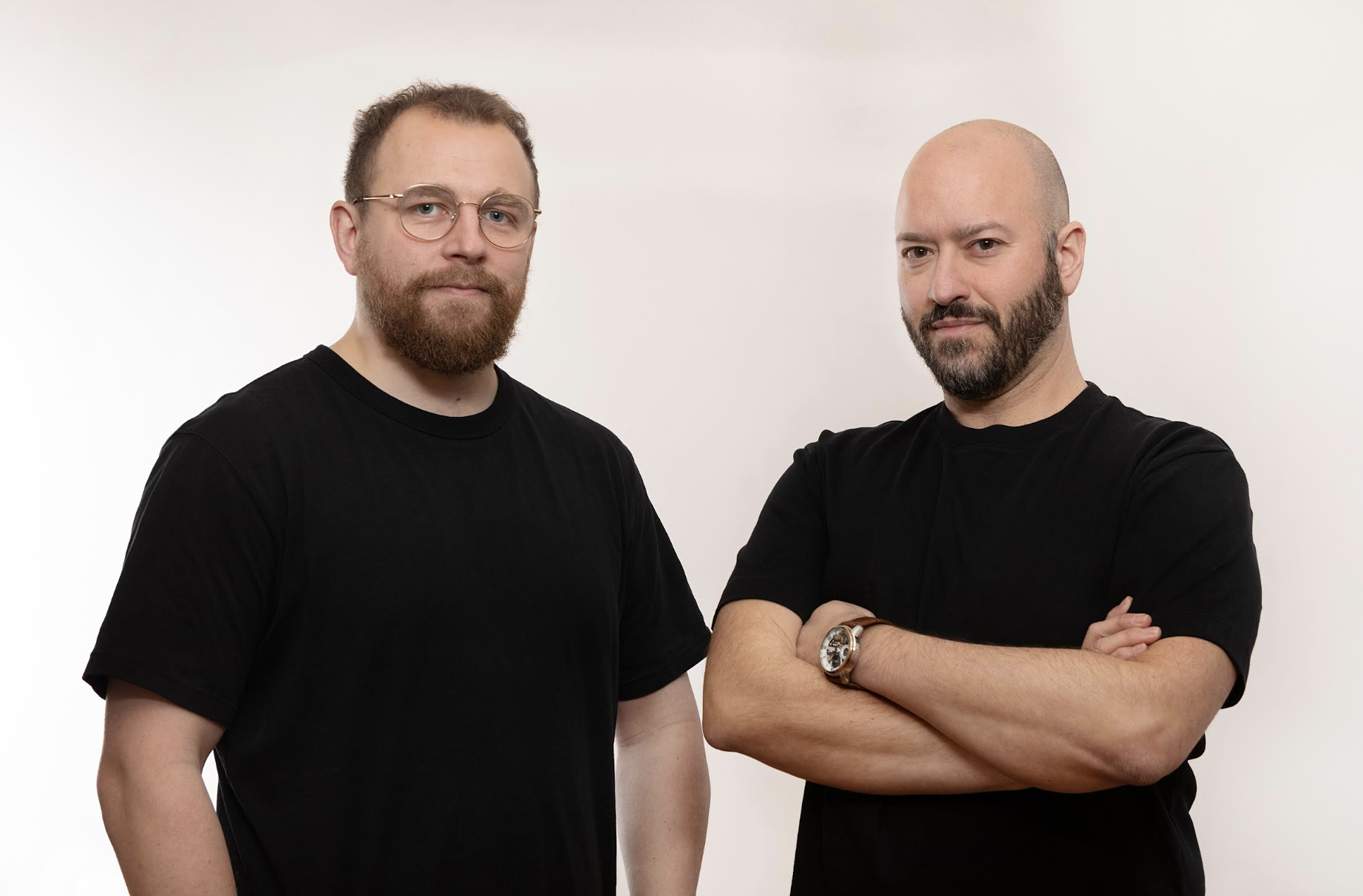
Founded by Cathal Meehan, PhD, and Michael Saitakis, PhD, Neotis is developing a new approach to treating age-related diseases by teaching the immune system to recognize and eliminate harmful senescent cells.
Its first target? Idiopathic pulmonary fibrosis (IPF), a devastating lung disease with no cure.
What are senescent cells, and why do they matter in ageing?
As we age, some of our cells enter a state known as cellular senescence.
These cells stop dividing but remain alive in our tissues. Cellular senescence can serve useful biological purposes, including preventing damaged cells from multiplying.
The problem arises when senescent cells accumulate and are no longer effectively cleared by the body.
Some of these cells release inflammatory signals and other molecules that can disrupt surrounding tissues, contributing to chronic inflammation and age-related diseases.
This is why senescent cells are sometimes nicknamed "zombie cells": they have stopped performing their normal functions but continue to influence the cells around them.
Their accumulation has been linked to several age-related conditions, including fibrotic diseases, in which excessive scar tissue interferes with normal organ function.
Researchers are increasingly exploring whether selectively eliminating harmful senescent cells could help address some of the biological mechanisms driving these diseases.
Rather than treating only the consequences of ageing, the idea is to intervene in the processes contributing to disease itself.
Why is idiopathic pulmonary fibrosis so difficult to treat?
Idiopathic pulmonary fibrosis, or IPF, is a progressive disease in which scar tissue accumulates in the lungs.
As this scarring develops, the lungs become increasingly stiff, making it harder for oxygen to pass into the bloodstream.
For patients, this can lead to worsening breathlessness, fatigue, and declining lung function.
Although existing treatments can help slow disease progression in some patients, there is currently no cure for IPF.
One of the challenges is that fibrosis involves complex biological processes, including cellular damage, inflammation, and abnormal tissue repair.
Senescent cells are believed to contribute to these processes by releasing signals that promote inflammation and tissue dysfunction.
Yet current therapies do not directly and selectively eliminate the harmful senescent cells implicated in fibrosis.
That's the opportunity Neotis is pursuing.
How does Neotis use AI and immunotherapy to target senescent cells?
Neotis is developing a therapeutic approach that combines computational biology, precision targeting, and immunotherapy.
The company's central idea is to identify biological markers that distinguish harmful senescent cells from healthy cells, then use the immune system to selectively eliminate them.
Its approach involves three key steps.
1. Identifying the right cellular targets
Using its computational platform, Neotis analyzes the biological characteristics of senescent cells to identify specific markers on their surfaces.
These markers could help distinguish disease-associated cells from surrounding healthy tissue.
2. Developing targeted immunotherapies
Once promising markers have been identified, Neotis aims to use immunotherapy approaches to direct immune cells toward harmful senescent cells.
The goal is to eliminate the cells contributing to tissue damage while preserving healthy cells.
3. Addressing the underlying drivers of disease
Rather than focusing exclusively on managing symptoms, Neotis aims to intervene in the cellular processes contributing to fibrosis.
By selectively removing harmful senescent cells, the company hopes to develop treatments that address disease at a more fundamental biological level.
This strategy remains under development, but it represents a potentially important shift in how age-related diseases could be treated.


