
Building a startup from 0 to 11 countries, with Lucas Di Franco (OneFlash)
What Mindset Helps Entrepreneurs Build and Scale Successful Startups from Nothing?
Entrepreneurs build successful startups through continuous learning, customer obsession, resilience, disciplined execution, and a willingness to embrace failure while adapting to change, new technologies, and market feedback.
Why Mindset Matters More Than Ideas
Building a company from nothing requires more than a good idea. Successful founders develop habits and principles that help them navigate uncertainty, make better decisions, and keep moving forward despite setbacks.
In this episode of Time4, Lucas Di Franco, co-founder of OneFlash, shares how he went from a modest upbringing to building a company operating in 11 countries. His experience highlights the mindset required to transform ambition into sustainable growth.
Start with Learning and Relentless Execution
Lucas believes that entrepreneurs improve by constantly learning and taking action.
Key principles include:
- Staying curious and continuously developing new skills.
- Refusing to accept "no" as the final answer.
- Treating obstacles as opportunities to improve.
- Maintaining a high standard of execution every day.
Rather than waiting for perfect conditions, successful founders learn by building, testing, and iterating.
Put Customers Before Products
One of the biggest mistakes early-stage founders make is building products before understanding customer needs.
The episode explores why entrepreneurs should:
- Talk to customers before writing code.
- Validate real problems before developing solutions.
- Use customer feedback to guide product decisions.
- Focus on solving valuable problems instead of chasing features.
Customer-first thinking reduces risk and increases the chances of achieving product-market fit.
How AI Is Changing Entrepreneurship
Artificial intelligence is reshaping how startups are created and scaled.
Lucas explains how AI allows entrepreneurs to:
- Build products faster.
- Automate repetitive work.
- Increase productivity with smaller teams.
- Experiment and iterate more efficiently.
While AI changes execution, it does not replace the need for clear thinking, customer understanding, and strong leadership.
*Episode sponsored by Gaz Européen
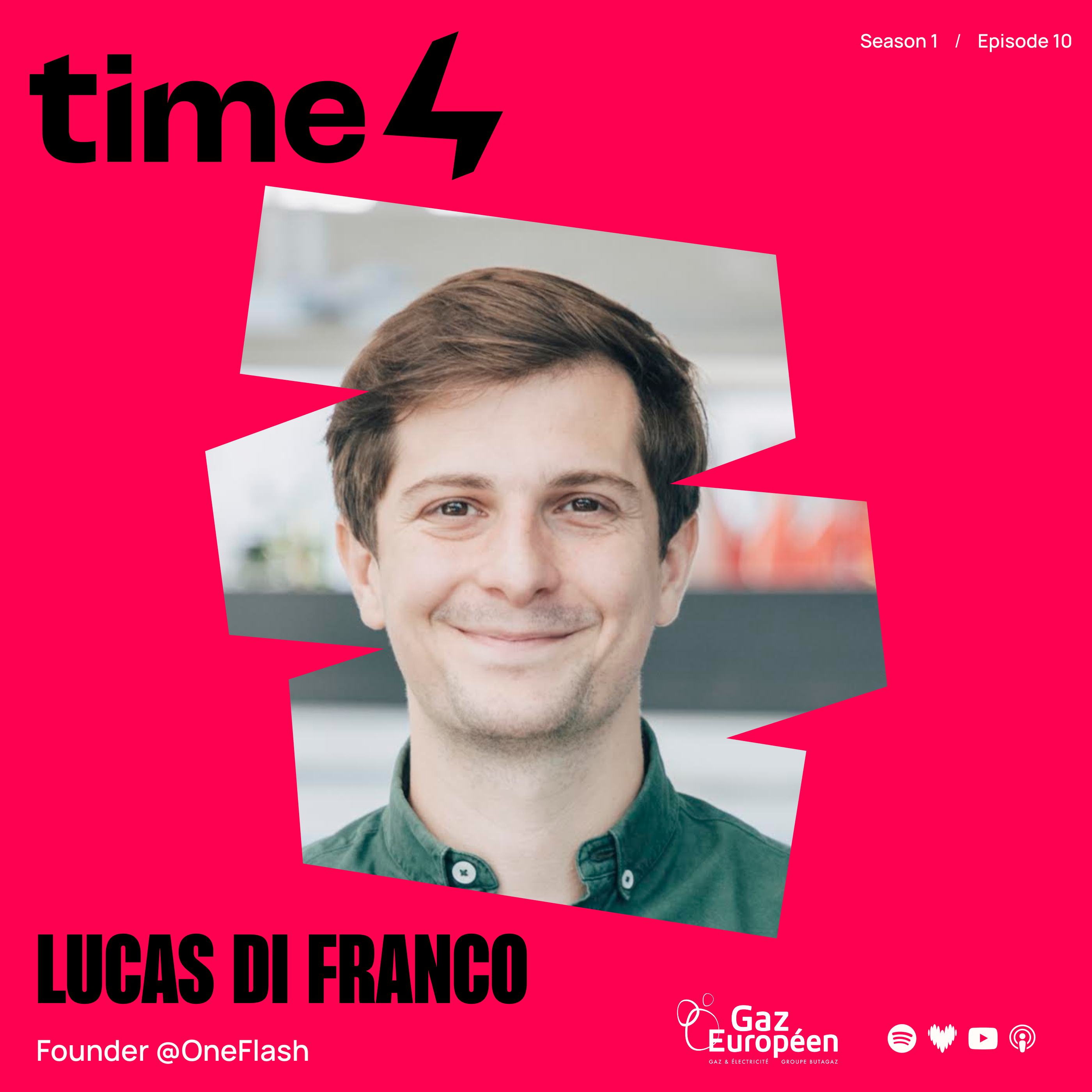
More episodes
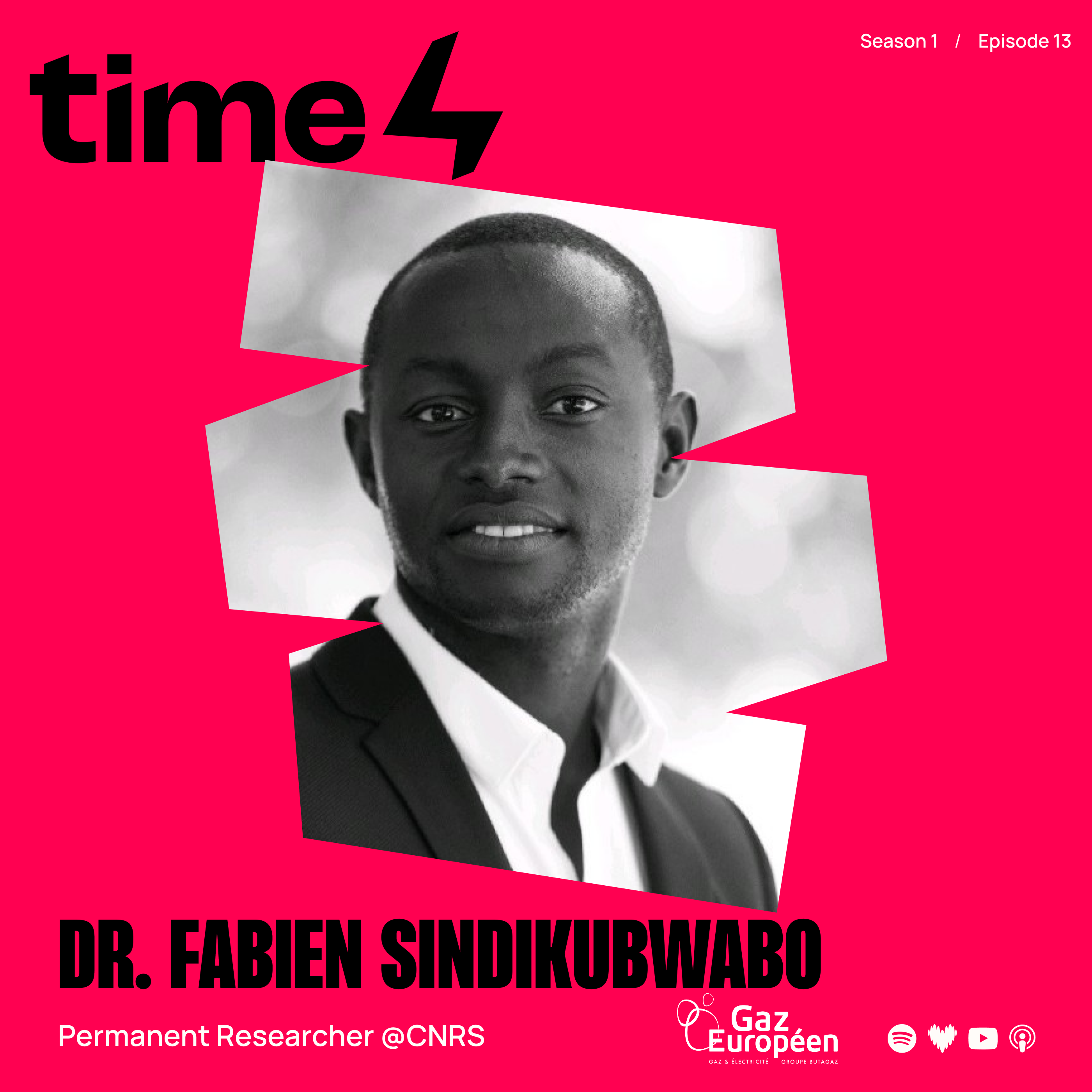
From Rwanda to the frontiers of research, with Dr. Fabien Sindikubwabo (CNRS)
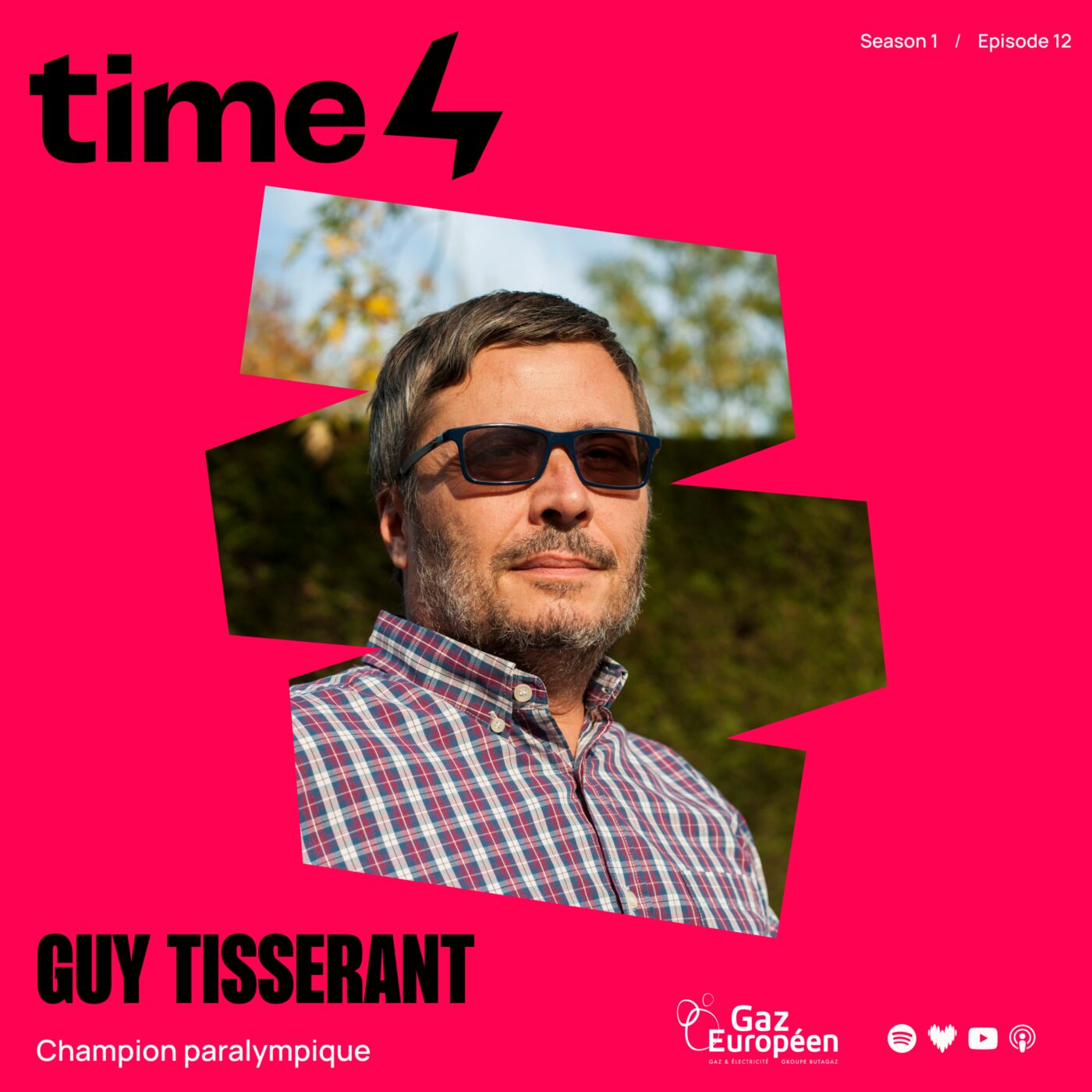
"Learning to lose in order to win better" with Guy Tisserant, Paralympic champion
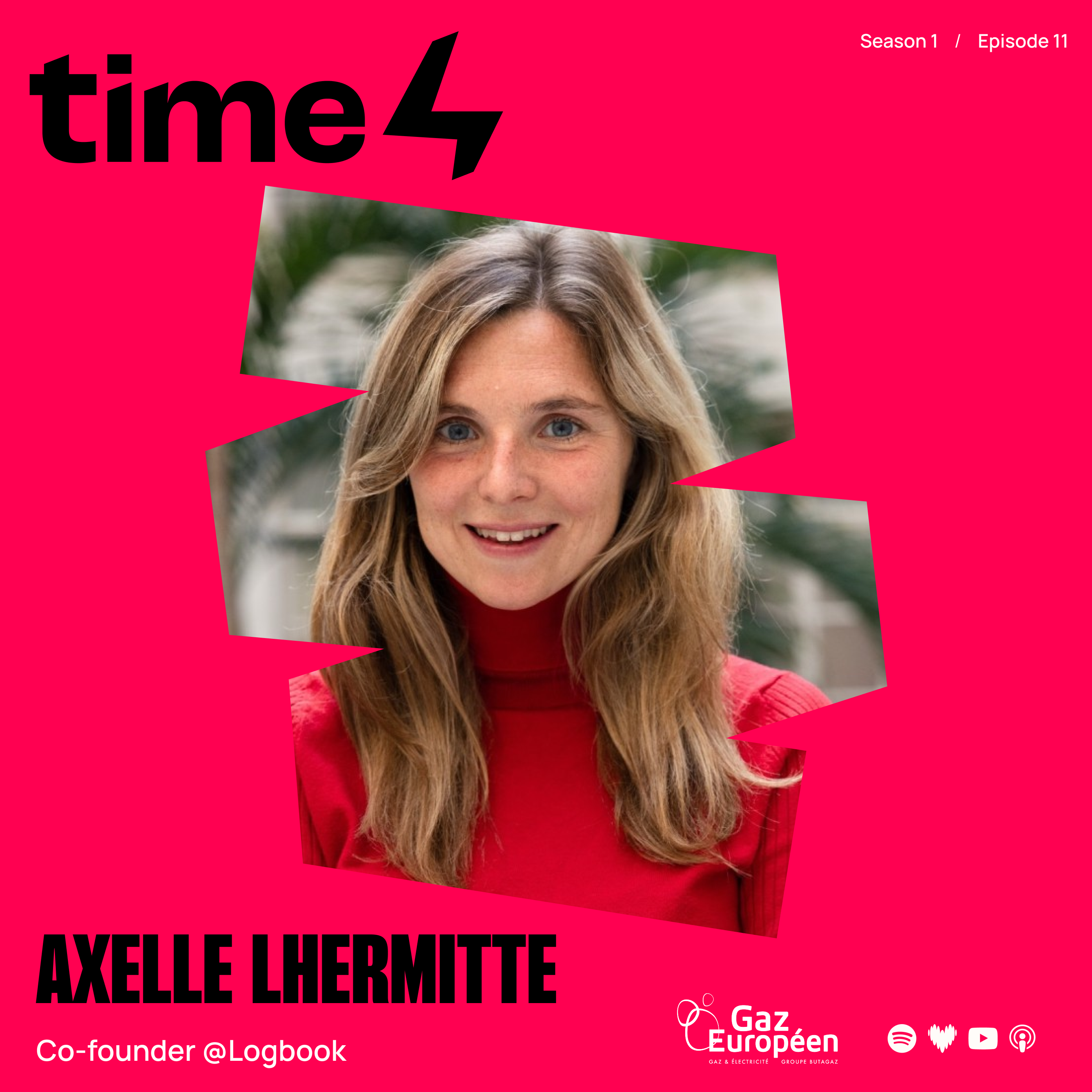
Reinventing feedback in schools with Axelle Lhermitte (Logbook)
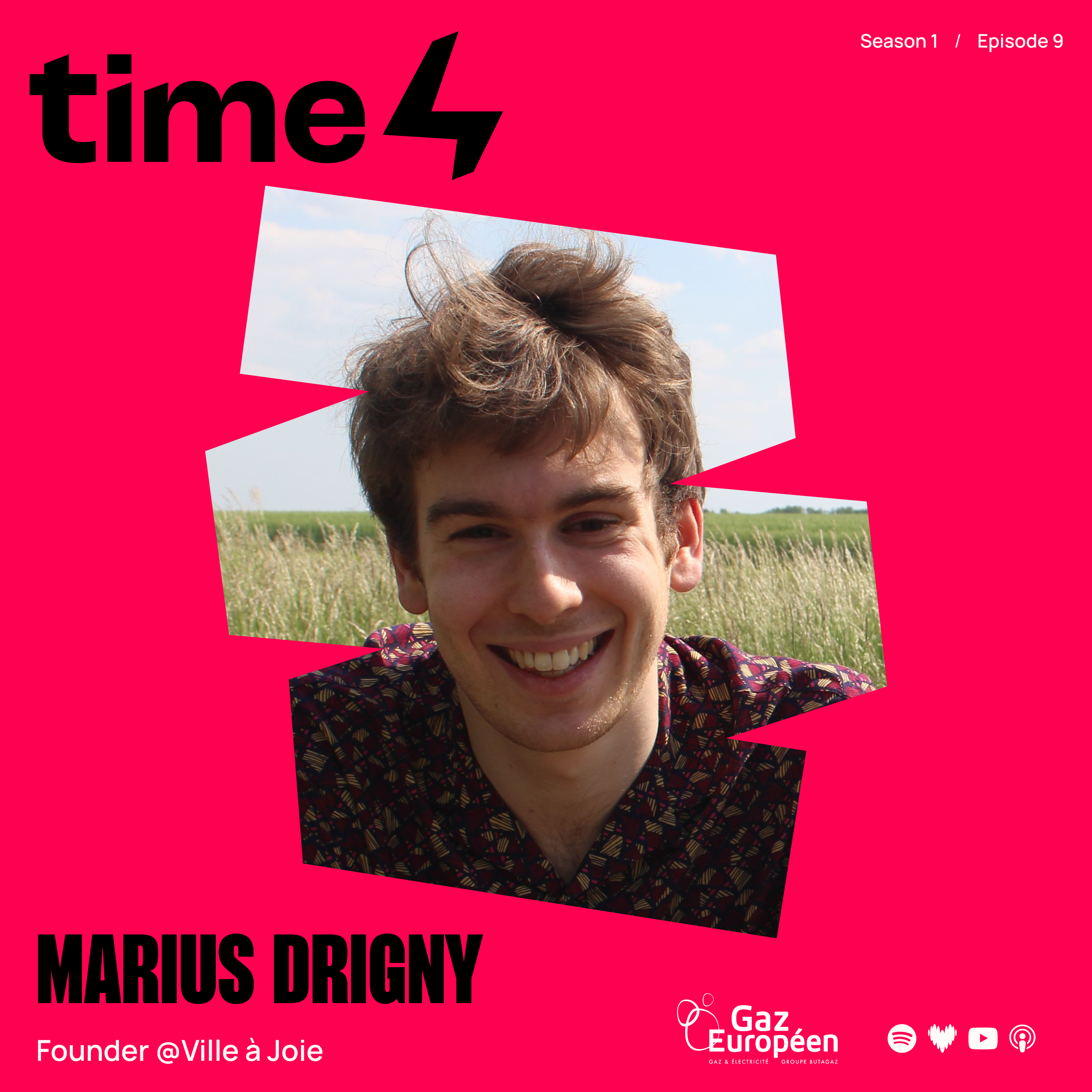
Rebuilding Rural Communities with Marius Drigny (Ville à Joie)
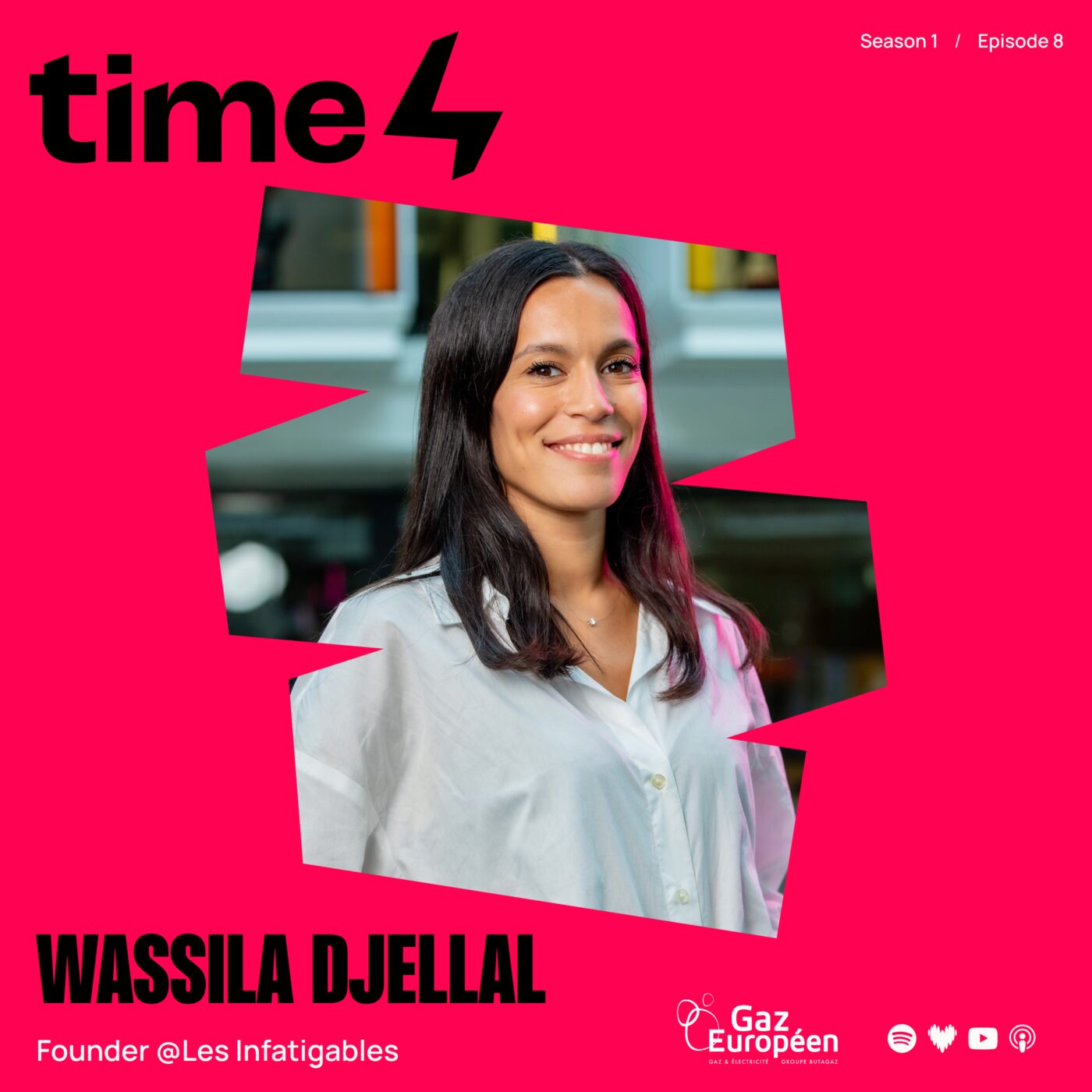
Fighting Ageism at Work with Wassila Djellal (Les Infatigables)
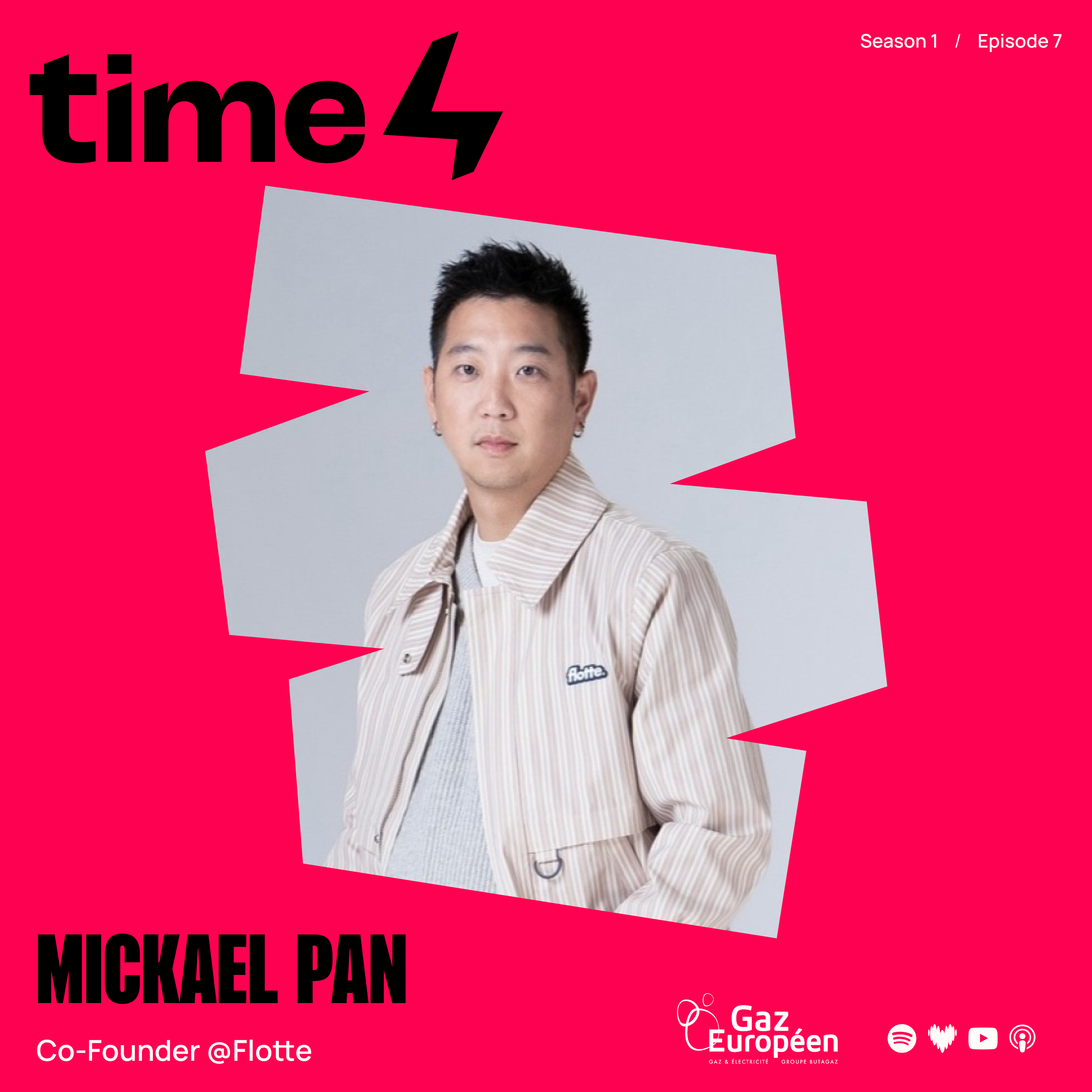
Building a Brand Against the Odds with Mickael Pan (Flotte)
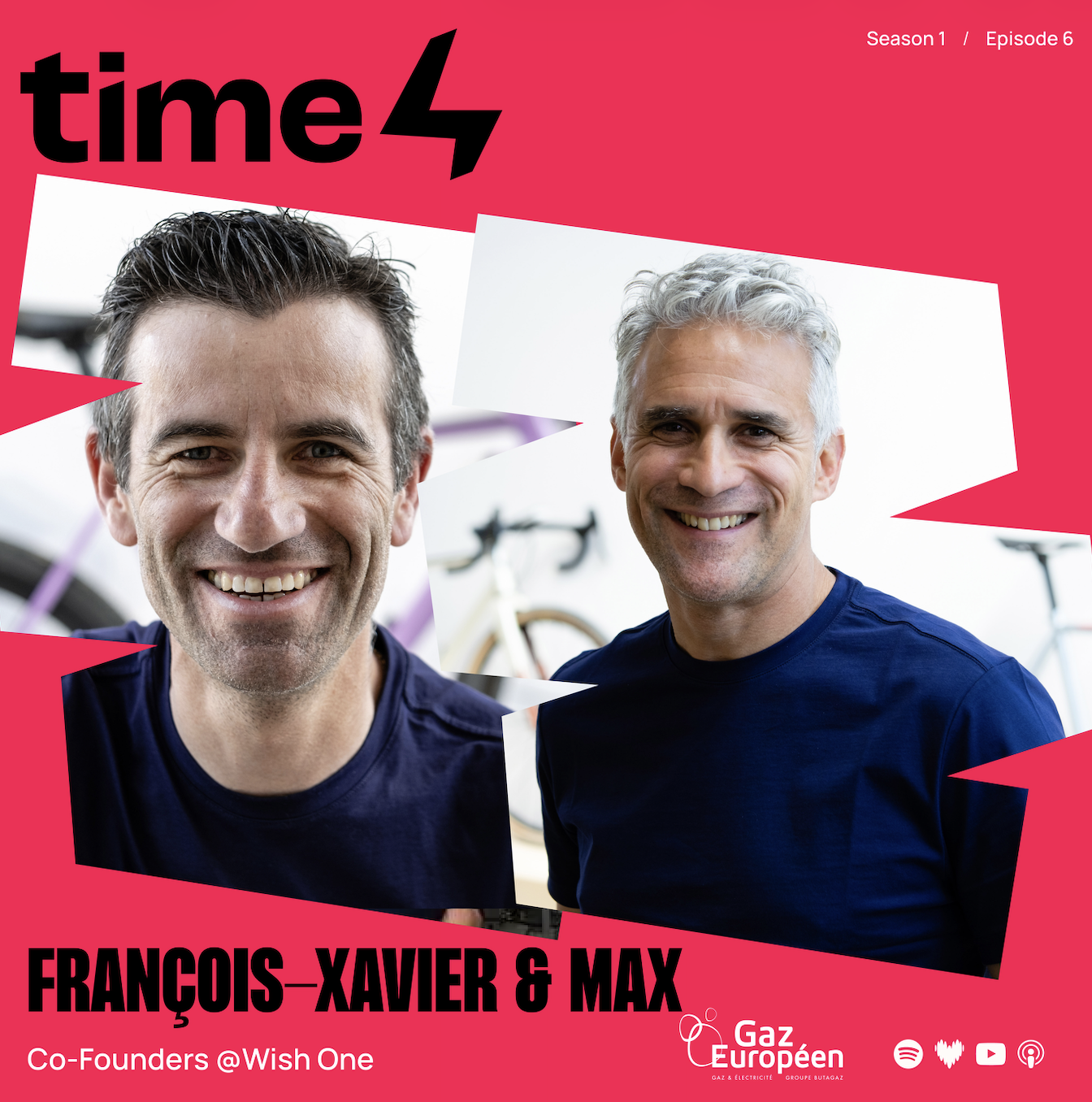
Reindustrializing Premium Cycling with François-Xavier Blanc & Maxime Poisson (Wish One)
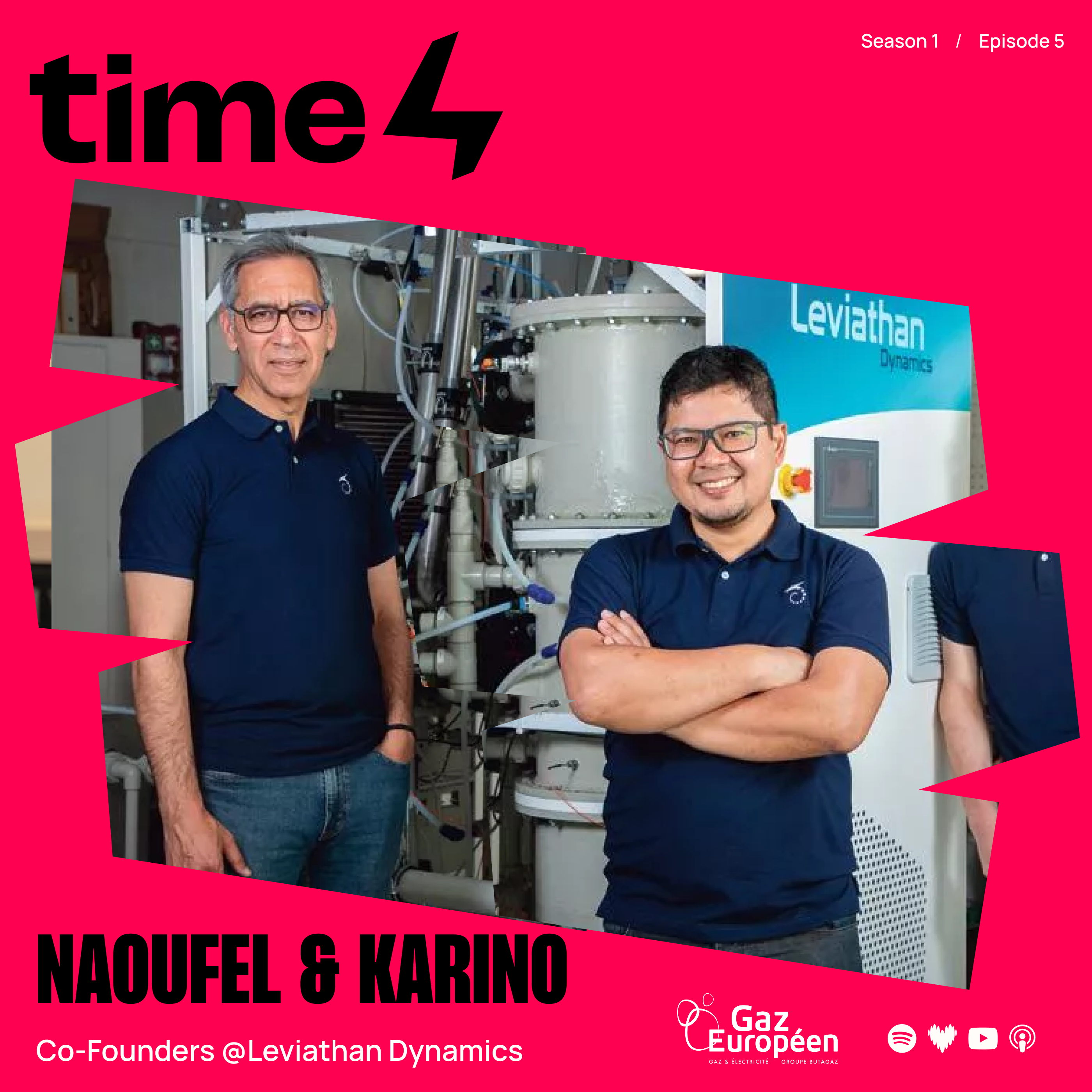
Reinventing Sustainable Cooling with Naoufel & Karino (Leviathan Dynamics)
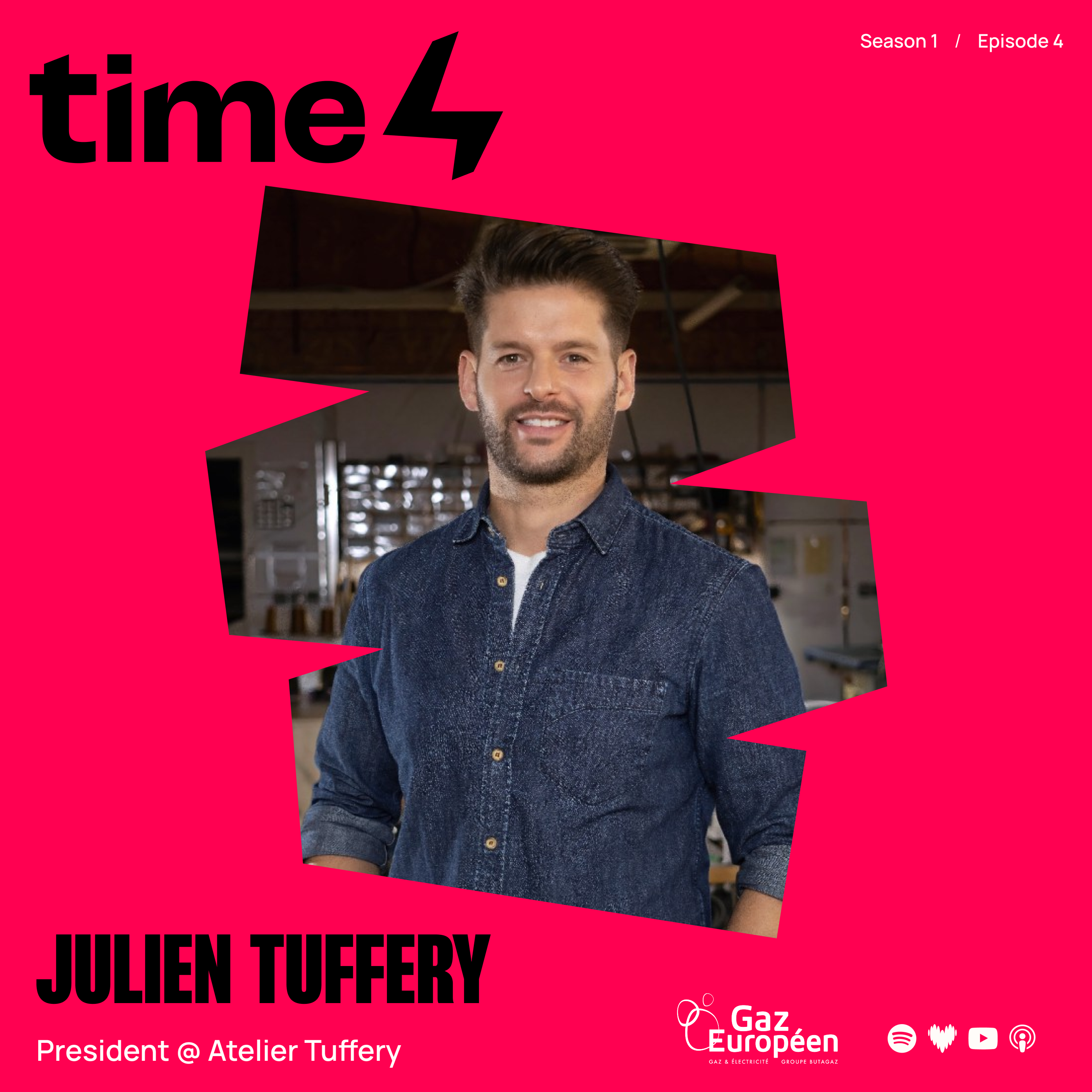
Building a Sustainable Rural Business with Julien Tuffery (Atelier Tuffery)