
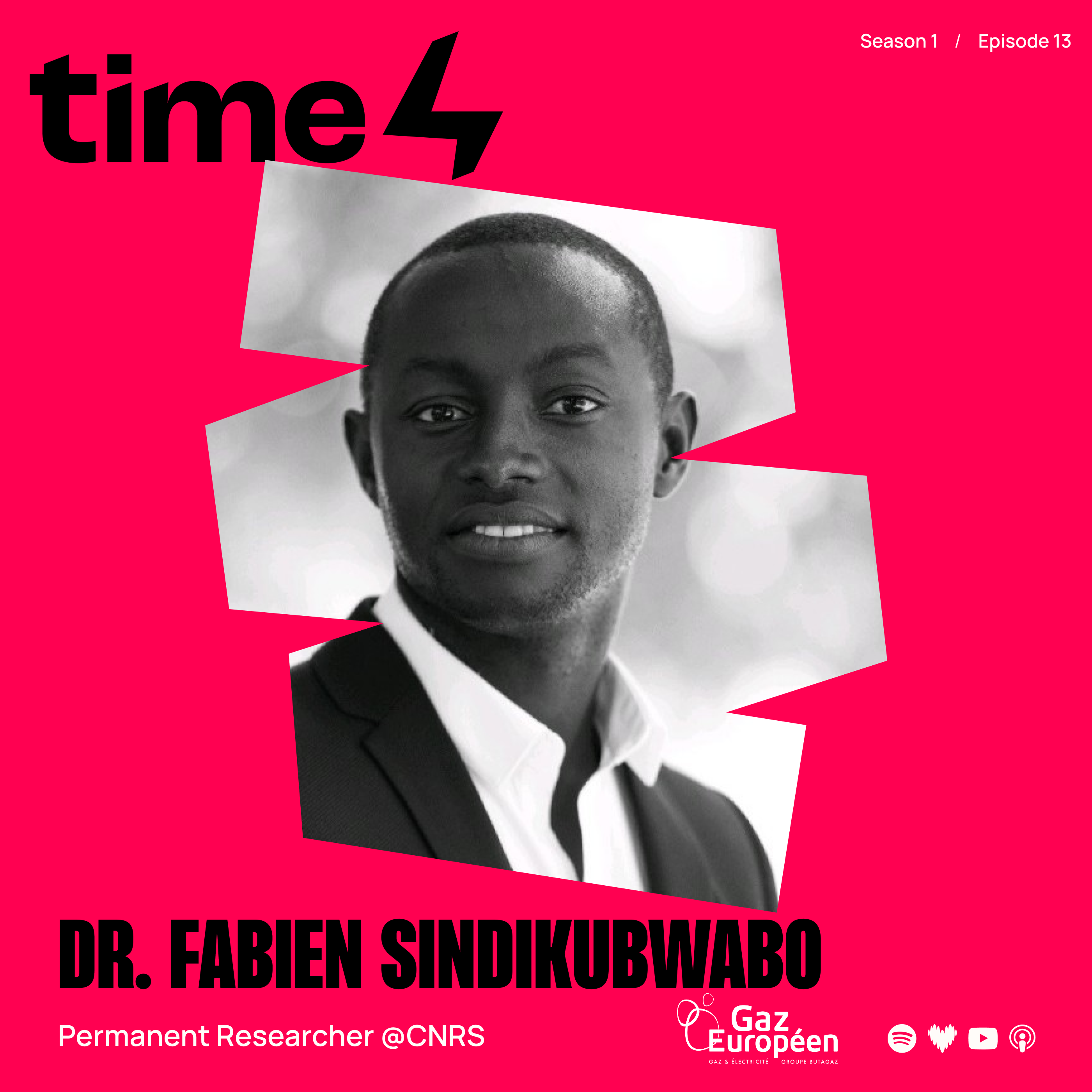
From Rwanda to the frontiers of research, with Dr. Fabien Sindikubwabo (CNRS)
What Can Entrepreneurs Learn From the Way Scientists Think, Fail, and Make Breakthroughs?
Entrepreneurs can learn from scientists to embrace uncertainty, test hypotheses, accept failure, collaborate across disciplines, question assumptions and remain persistent enough to turn promising ideas into meaningful breakthroughs.
Scientists Treat Ideas as Hypotheses, Not Certainties
Scientists begin with questions. An idea may be promising, but it remains a hypothesis until evidence supports it.
Dr. Fabien Sindikubwabo, permanent researcher at CNRS, describes research as starting with a question before going into the lab. Researchers form a hypothesis, test it experimentally and use the results to decide what to investigate next.
Entrepreneurs can apply the same mindset. Instead of becoming attached to an initial idea, founders can treat assumptions about customers, products and markets as hypotheses to test. The objective is not to prove yourself right, but to discover what is actually true.
Failure Is Part of the Process
Scientific research involves repeated failure. Experiments do not always produce the expected results, and promising hypotheses can turn out to be wrong.
Fabien argues that this ability to accept failure is one of the strongest similarities between scientists and entrepreneurs. Scientific excellence is not a sequence of uninterrupted successes. Researchers fail, learn from the result and decide where to go next.
For entrepreneurs, failure can work in the same way. A failed experiment, product feature or strategy can generate information that improves the next decision.
Doubt Can Lead to Better Decisions
Researchers live with doubt. Even after making a discovery, Fabien explains that scientists continue asking whether their conclusions are strong enough and how they could improve their work.
Entrepreneurs can benefit from the same intellectual discipline.
Healthy doubt means asking: What are we missing? What evidence would prove us wrong? Is there a better explanation?
This mindset can help founders challenge assumptions before the market challenges them.
The Goal Is to Turn Discovery Into Impact
For Fabien, research becomes particularly compelling when scientific discoveries have the potential to lead to real-world applications.
That philosophy connects scientific research and entrepreneurship. Both can begin with uncertainty and experimentation, but ultimately seek to create something valuable beyond the original idea.
The lesson for entrepreneurs is simple: think in hypotheses, stay comfortable with doubt, learn from failure, collaborate with people who challenge you and remain focused on turning discovery into impact.
*Episode sponsored by Gaz Européen
More episodes
Succeeding without knowing the unwritten rules, with Dounia Wone
"Learning to lose in order to win better" with Guy Tisserant, Paralympic champion
Reinventing feedback in schools with Axelle Lhermitte (Logbook)
Building a startup from 0 to 11 countries, with Lucas Di Franco (OneFlash)
Rebuilding Rural Communities with Marius Drigny (Ville à Joie)
Fighting Ageism at Work with Wassila Djellal (Les Infatigables)
Building a Brand Against the Odds with Mickael Pan (Flotte)
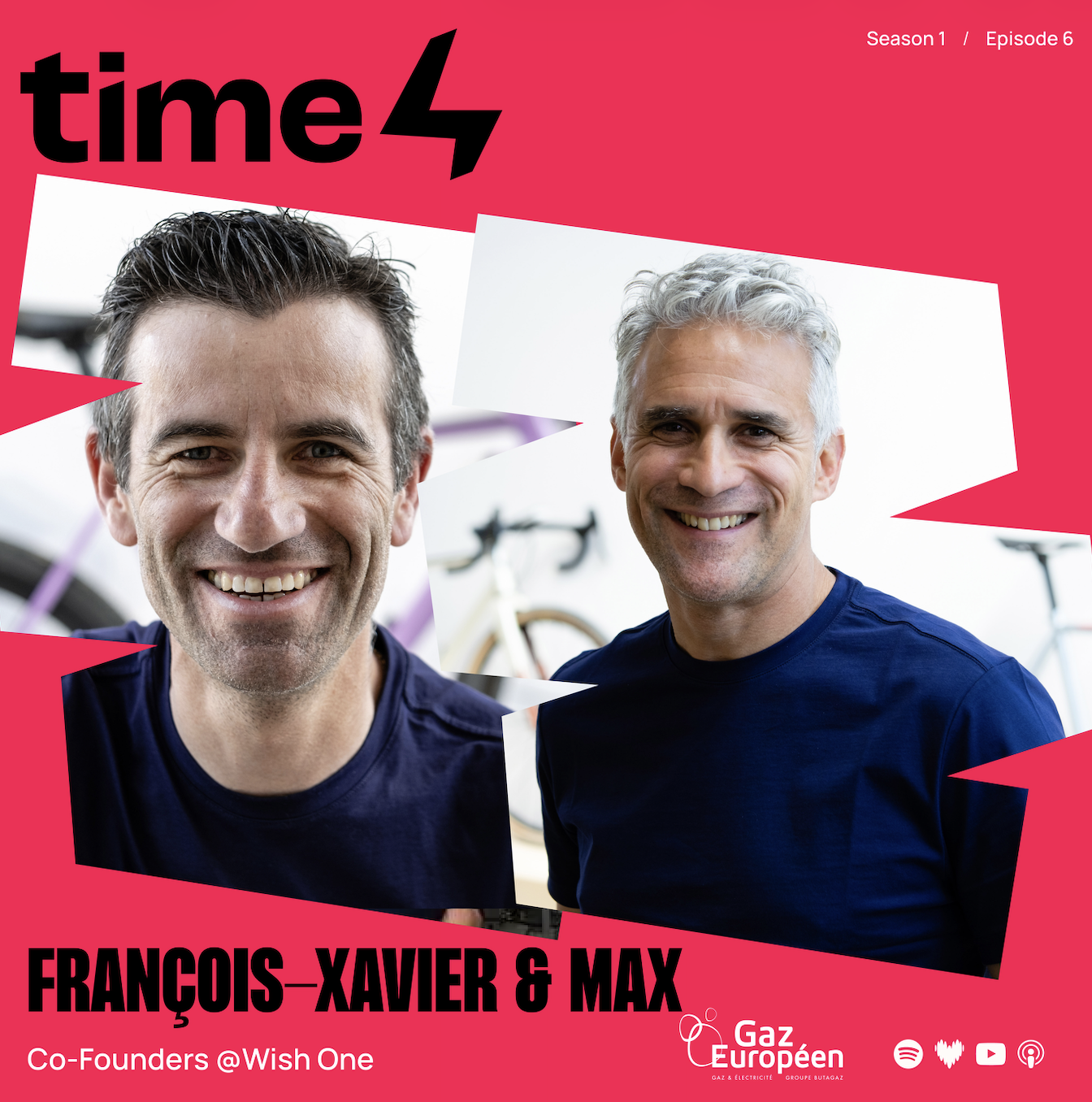
Reindustrializing Premium Cycling with François-Xavier Blanc & Maxime Poisson (Wish One)
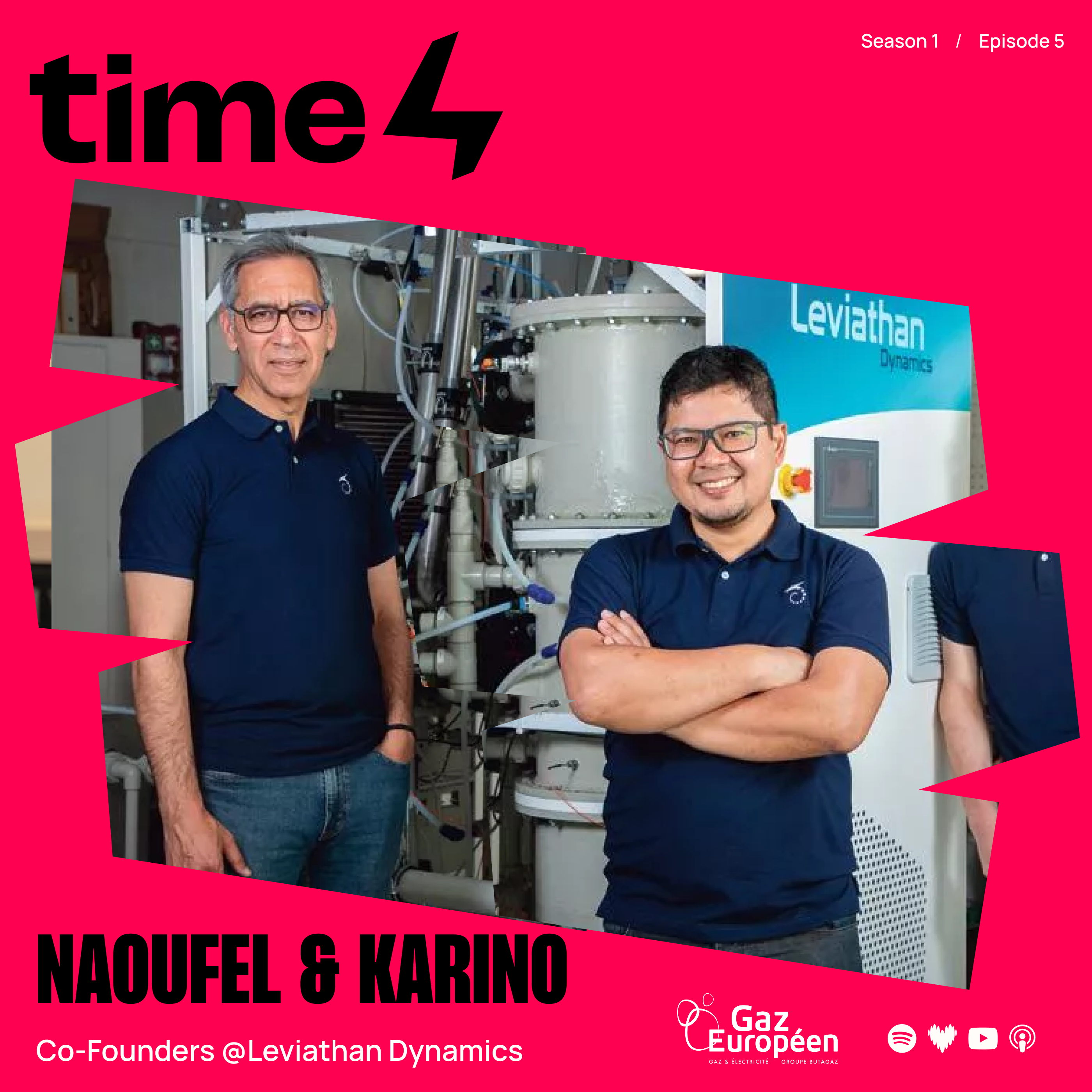
Reinventing Sustainable Cooling with Naoufel & Karino (Leviathan Dynamics)