
"Learning to lose in order to win better" with Guy Tisserant, Paralympic champion
What If Learning How to Lose Is the Key to Winning?
Learning how to lose can be the key to winning because failure reveals what needs improvement, builds adaptability, and turns setbacks into lessons that increase the chances of future success.
Why can losing help you win?
For Guy Tisserant, Paralympic champion and entrepreneur, one of the most important lessons from elite sport was not learning how to win. It was learning how to lose.
Earlier in his sporting career, losing a match could leave him so frustrated that he wanted to stop playing altogether. Over time, he learned to change his response to defeat: instead of remaining focused on the loss, he began asking what had gone wrong and what he could do differently next time.
The defeat remained painful, but it became useful.
What does it mean to learn how to lose?
Learning how to lose does not mean accepting failure or becoming less competitive. It means using failure as information.
Guy developed a simple approach:
- Accept that the result cannot be changed.
- Understand why the failure happened.
- Identify what could have been done differently.
- Apply that lesson to the next attempt.
This transformed losing from an endpoint into part of the process of improving.
How did failure shape Guy Tisserant’s career?
Guy Tisserant contracted polio at eight months old and grew up hearing that many things would not be possible for him.
He went on to become an engineer and an elite table tennis player, competing at four Paralympic Games, winning four gold medals and three silver medals, and spending six years as world number one.
His sporting career taught him that performance is not simply about avoiding failure. It is about adapting after it.
How does learning to lose apply to entrepreneurship?
Guy later applied the same principle when he became an entrepreneur.
With his wife, Jeannette, he founded TH Conseil, a consulting firm focused on disability, diversity and non-discrimination in the workplace.
In business, losing might mean failing to win a client or an RFP. Guy explains that there are two possible reactions: blame the client for making the wrong decision, or examine what could have been done better.
The second response turns rejection into an opportunity to improve the next attempt.
*Episode sponsored by Gaz Européen

More episodes

From Rwanda to the frontiers of research, with Dr. Fabien Sindikubwabo (CNRS)

Reinventing feedback in schools with Axelle Lhermitte (Logbook)

Building a startup from 0 to 11 countries, with Lucas Di Franco (OneFlash)

Rebuilding Rural Communities with Marius Drigny (Ville à Joie)

Fighting Ageism at Work with Wassila Djellal (Les Infatigables)

Building a Brand Against the Odds with Mickael Pan (Flotte)
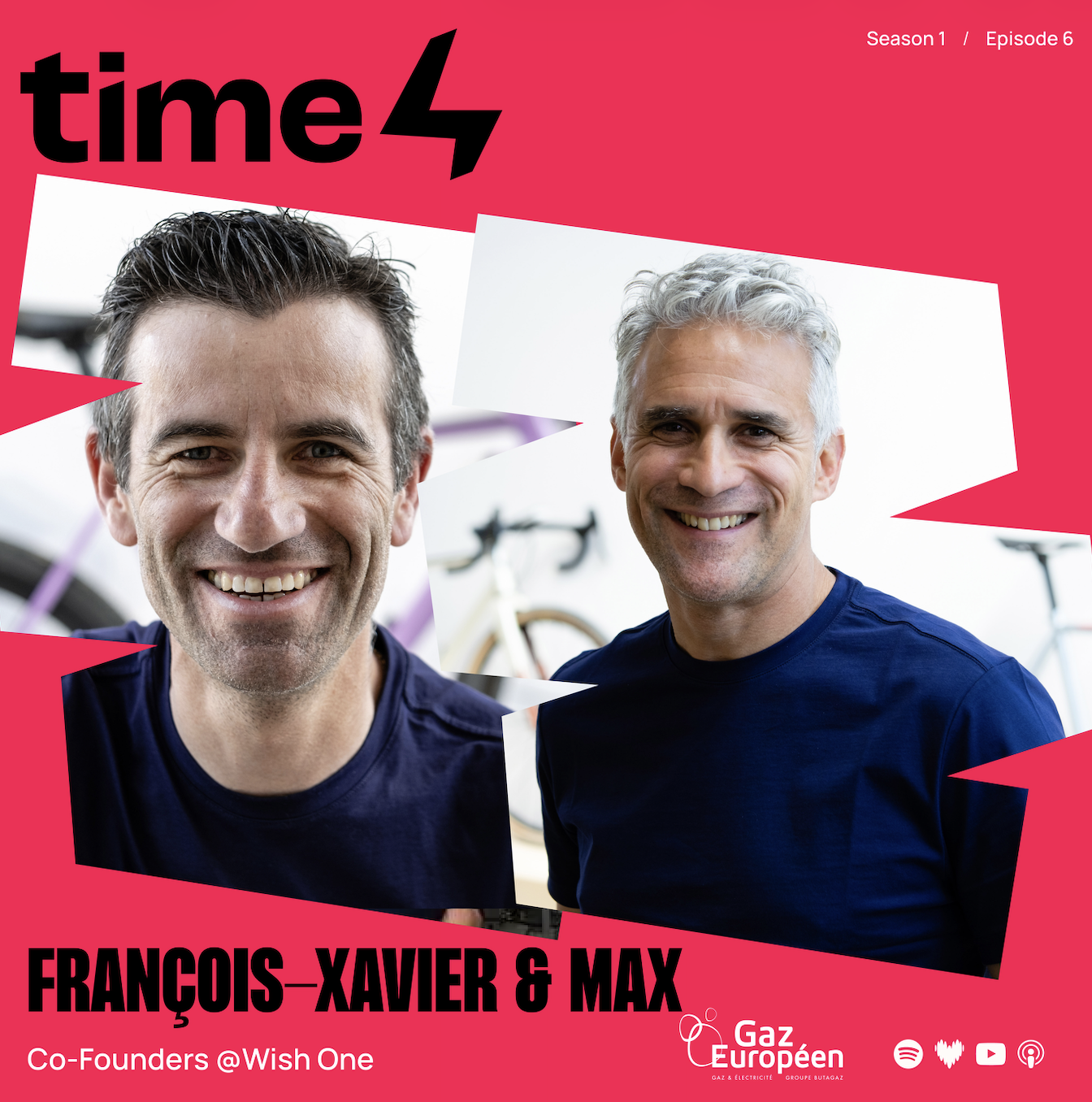
Reindustrializing Premium Cycling with François-Xavier Blanc & Maxime Poisson (Wish One)
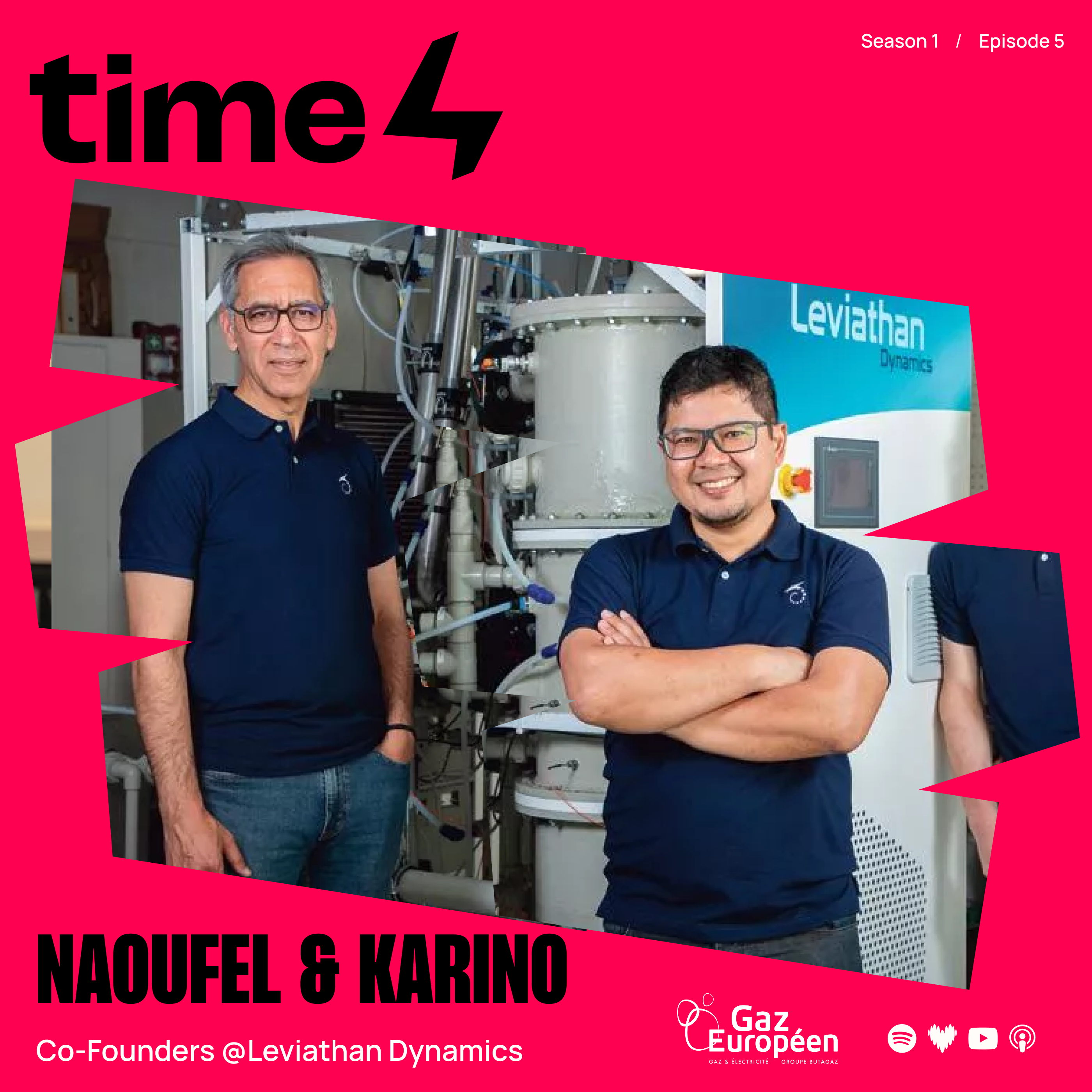
Reinventing Sustainable Cooling with Naoufel & Karino (Leviathan Dynamics)

Building a Sustainable Rural Business with Julien Tuffery (Atelier Tuffery)