
Making International Transport Accessible, with Arthur Barillas de Thé (Ovrsea)
How Startups Can Transform International Logistics While Reducing Environmental Impact
Startups can transform international logistics by digitizing freight operations, optimizing transport choices, improving transparency, scaling efficient teams, and embedding sustainability into global supply chains to reduce emissions and environmental impact.
Tackling the Environmental Impact of Global Logistics
International transport represents more than 7% of global greenhouse gas emissions. Logistics startups address this challenge by redesigning how goods move across borders, balancing efficiency, accessibility, and sustainability.
Building a Digital-First Logistics Platform
Founded in 2017, OVRSEA set out to make international transport more accessible through technology. By simplifying freight management and improving visibility across supply chains, digital platforms reduce inefficiencies that drive unnecessary emissions.
From Student Project to Global Scale
OVRSEA was launched by Arthur Barillas de Thé and four co-founders while still students. Their journey shows how strong founding teams, shared ambition, and early execution can turn an initial vision into a global logistics company.
Scaling Teams and Operations Responsibly
Rapid growth is a major challenge in logistics. Scaling from 25 to 180 employees in two years, OVRSEA demonstrates how startups can grow fast while maintaining operational discipline and long-term strategic focus.
Aligning Logistics Innovation With Climate Goals
By combining digital tools, operational efficiency, and responsible growth, logistics startups like OVRSEA show that it is possible to modernize global transport while actively reducing its environmental footprint.

More episodes
Rethinking Cancer Treatment with Nuclear Fusion, with Tom Wallace-Smith (Astral Systems)
Bringing Solar Power Down From Space, with Jasper Deprez (TerraSpark)
Breaking the Cycle of Social Inequality, with Florence Massenot (Télémaque)
The Founder Community Changing Europe with Cristian Pinto (pluto)

The Power of Connection with Michel Jusforges (Autremonde)
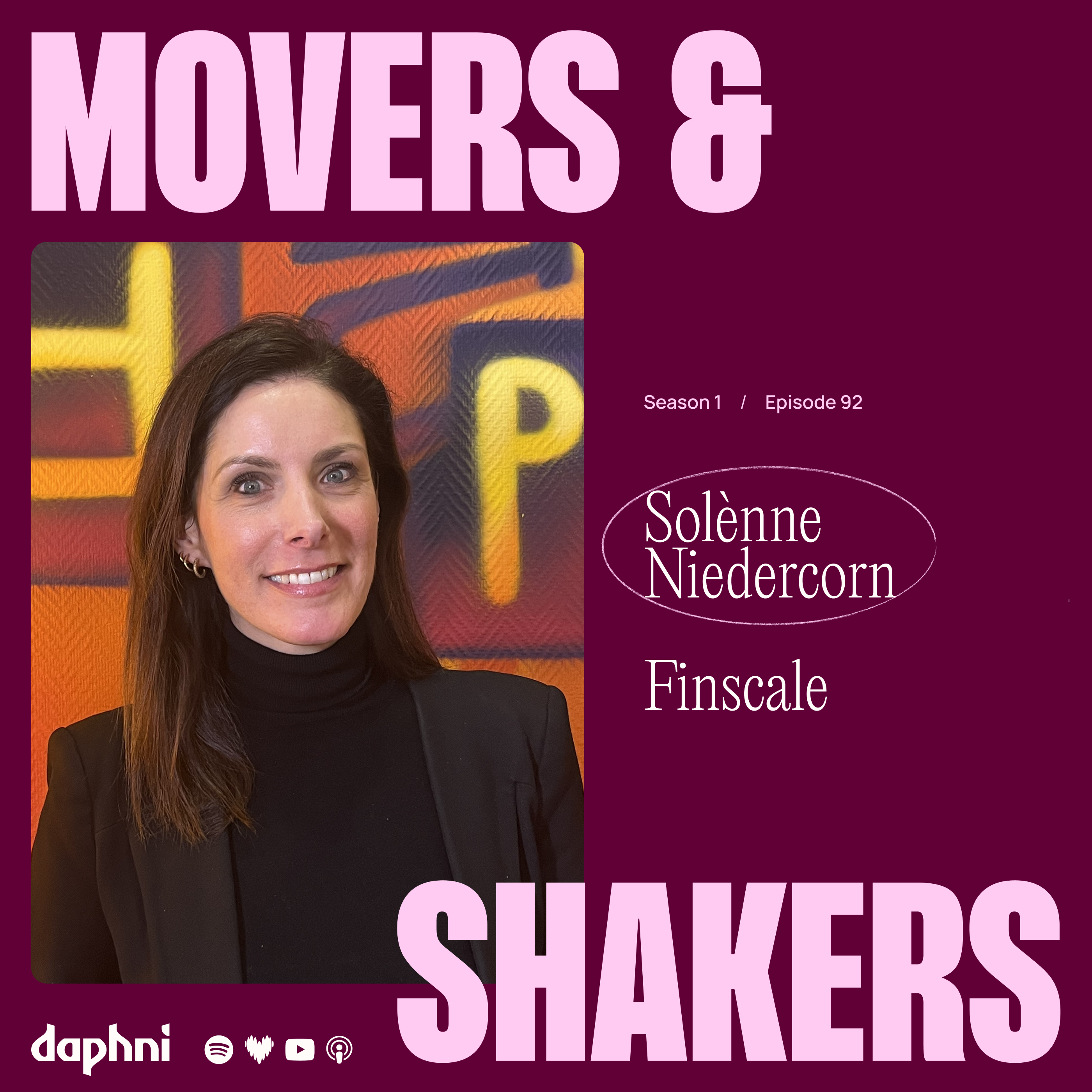
Rethinking Startup Boards with Solènne Niedercorn (Finscale)

Reinventing franchising with Anton Soulier (Alpa)
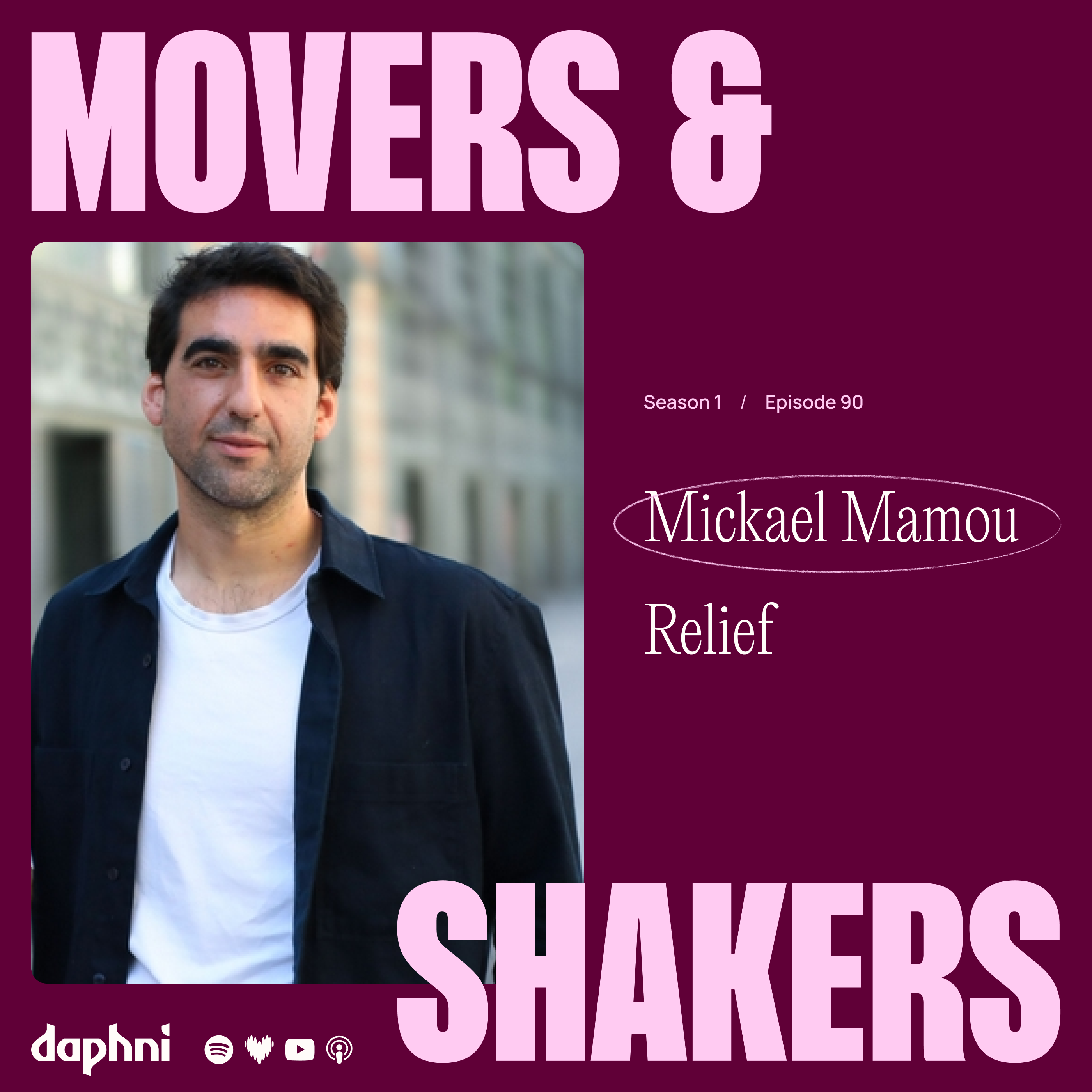
Industrial Costs with Mickael Mamou (Relief)

Media as a Catalyst for Climate Innovation with Hugo Rauch (New Wave)