
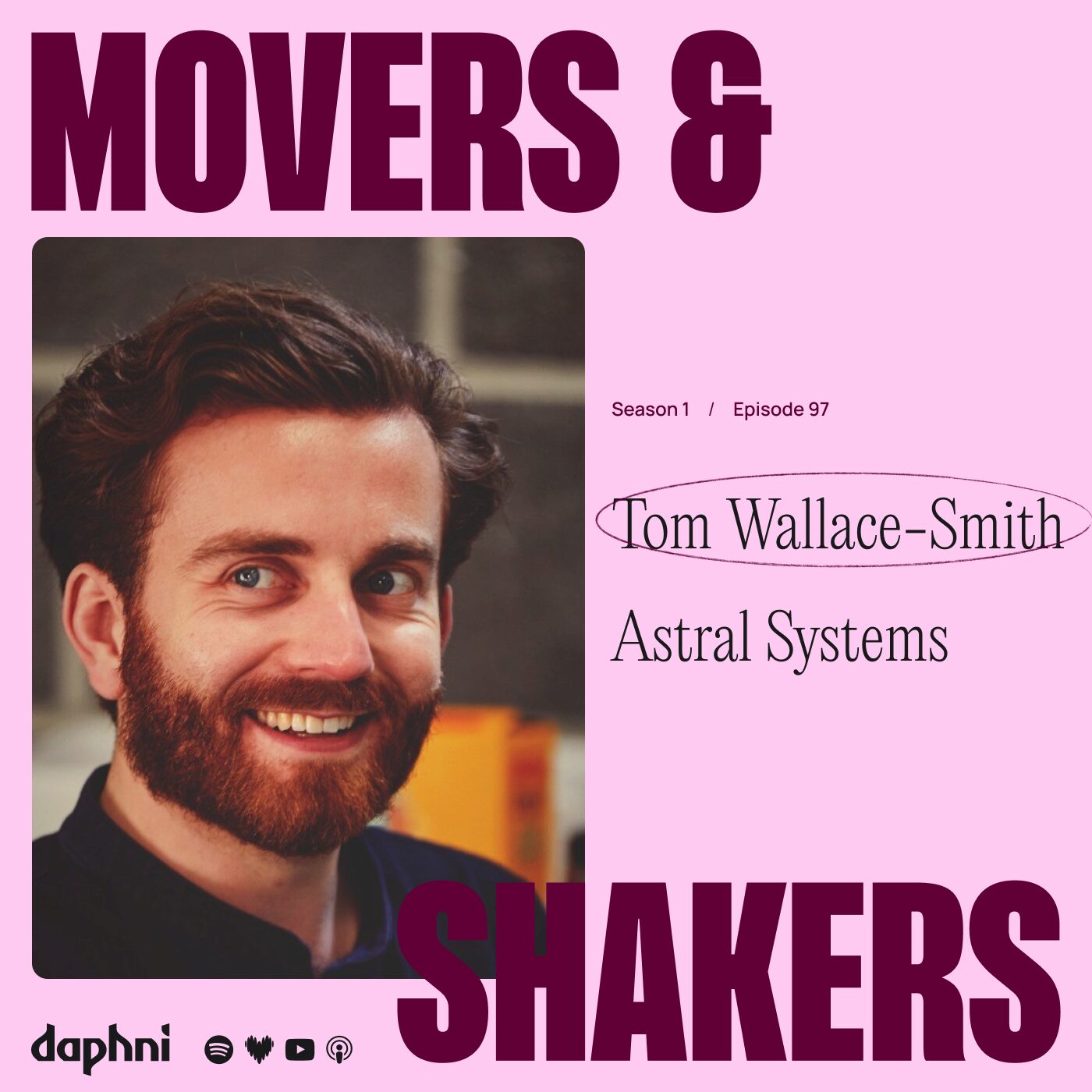
Rethinking Cancer Treatment with Nuclear Fusion, with Tom Wallace-Smith (Astral Systems)
How can nuclear fusion change cancer treatment?
Nuclear fusion could transform cancer treatment by enabling more reliable, accessible production of medical radioisotopes, helping hospitals diagnose cancers, deliver targeted radiation therapies, and reduce dependence on aging nuclear reactors.
Why Are Medical Radioisotopes Important for Cancer Treatment?
Medical radioisotopes are radioactive materials used in nuclear medicine to diagnose diseases and treat certain cancers. In targeted radionuclide therapy, radioactive isotopes are attached to molecules designed to reach cancer cells, delivering radiation directly to tumors.
However, producing and distributing these isotopes remains a major challenge. Many have short half-lives, meaning they lose radioactivity quickly and must reach hospitals within a limited timeframe.
Today, the production of key medical isotopes depends heavily on a small number of aging nuclear reactors, creating supply shortages that can delay cancer diagnosis and treatment.
How Is Astral Systems Using Nuclear Fusion to Address This Problem?
Astral Systems, co-founded by nuclear physicist Tom Wallace-Smith, is developing compact nuclear fusion reactors designed to produce medical radioisotopes more efficiently and closer to where they are needed.
Rather than relying exclusively on large, centralized nuclear facilities, Astral Systems aims to make isotope production more decentralized, scalable, and reliable.
Its technology could help strengthen the medical isotope supply chain and improve access to potentially life-saving cancer treatments.
What Is Multi-State Fusion?
Astral Systems is pioneering an approach called multi-state fusion, which combines fusion reactions in plasma and solid-state materials.
Unlike conventional fusion systems that primarily rely on plasma, Astral's technology uses interactions between these two states to generate neutrons, which can be used to produce medical isotopes.
The company is developing reactors compact enough to fit on a desktop, challenging the traditional idea that nuclear technology requires enormous facilities and infrastructure.
What Does It Take to Build a Nuclear Fusion Startup?
Developing breakthrough technology requires more than scientific expertise.
In this episode of Movers & Shakers, Tom discusses the transition from researcher to CEO, the importance of communicating complex science through simple analogies, and why building a multidisciplinary team is essential to innovation.
He also explores how creativity, psychological safety, and diversity of thought help Astral Systems tackle scientific and engineering challenges.
More episodes
Bringing Solar Power Down From Space, with Jasper Deprez (TerraSpark)

Breaking the Cycle of Social Inequality, with Florence Massenot (Télémaque)

The Founder Community Changing Europe with Cristian Pinto (pluto)

The Power of Connection with Michel Jusforges (Autremonde)

Rethinking Startup Boards with Solènne Niedercorn (Finscale)

Reinventing franchising with Anton Soulier (Alpa)

Industrial Costs with Mickael Mamou (Relief)

Media as a Catalyst for Climate Innovation with Hugo Rauch (New Wave)

Embracing a Build-first Mindset with Nicolas Mazurier (Aywen, YouTuber)