
Advancing research to transform the treatment of rare diseases, with Shemine Asmina (LHF Espoir)
How can personal experience help advance research into rare diseases?
A personal experience can become the starting point for meaningful change. For Shemine Asmina, founder of LHF Espoir, her son Nail’s diagnosis with familial hemophagocytic lymphohistiocytosis (HLH), a rare genetic disease affecting the immune system, led her to create an association dedicated to supporting families, raising awareness and accelerating medical research.
In this episode of Movers & Shakers, Shemine shares how a family’s journey became a collective mission, why patient associations play a vital role in medical innovation, and how emerging technologies such as mRNA could open new possibilities for people living with rare diseases.
What is familial hemophagocytic lymphohistiocytosis (HLH)?
Familial hemophagocytic lymphohistiocytosis (HLH) is a rare genetic disease that affects the immune system. In people with HLH, the immune system becomes overactive and can attack the body's own organs, including the liver, spleen and lungs.
The disease often affects children and can require intensive treatment, including chemotherapy and a bone marrow transplant.
For Shemine Asmina, the diagnosis came when her son Nail was just four months old. After months of hospitalisation and medical uncertainty, the family began navigating the long-term consequences of the disease, including complications affecting intestinal absorption.
How did one family's experience lead to the creation of LHF Espoir?
When Nail was diagnosed, Shemine quickly realised how difficult it was to find reliable information and connect with other families facing the same disease.
In 2019, she founded LHF Espoir to address these challenges. The association has three core missions:
- Supporting families: creating a community where parents can share experiences, find practical support and feel less alone.
- Raising awareness: making a little-known disease more visible among the public and medical community.
- Funding research: supporting scientific projects that improve understanding of the disease and explore potential treatments.
What began as a personal initiative has grown into a collective effort involving families, volunteers, medical teams and partners across France.
How do patient associations help advance rare disease research?
Patient associations can play an important role in advancing research, particularly when a disease affects a relatively small number of people and receives limited attention.
By bringing families, researchers and medical institutions together, associations like LHF Espoir help make patients' needs more visible and support research projects that might otherwise struggle to secure funding.
LHF Espoir contributes to both fundamental research, which helps scientists better understand the mechanisms behind the disease, and therapeutic research, which explores potential treatments.
The association has also helped bring together the resources and partners needed to move promising scientific projects forward.
How can you support people affected by rare diseases?
Supporting people affected by rare diseases goes beyond funding research. It also means helping families navigate everyday challenges, raising awareness and building communities where no one has to face a diagnosis alone.
Through fundraising initiatives, family gatherings, hospital activities and research partnerships, LHF Espoir works to make a tangible difference in patients' lives.
At daphni, we are proud to support LHF Espoir through Rainbow, our endowment fund, and to contribute to the association's mission.
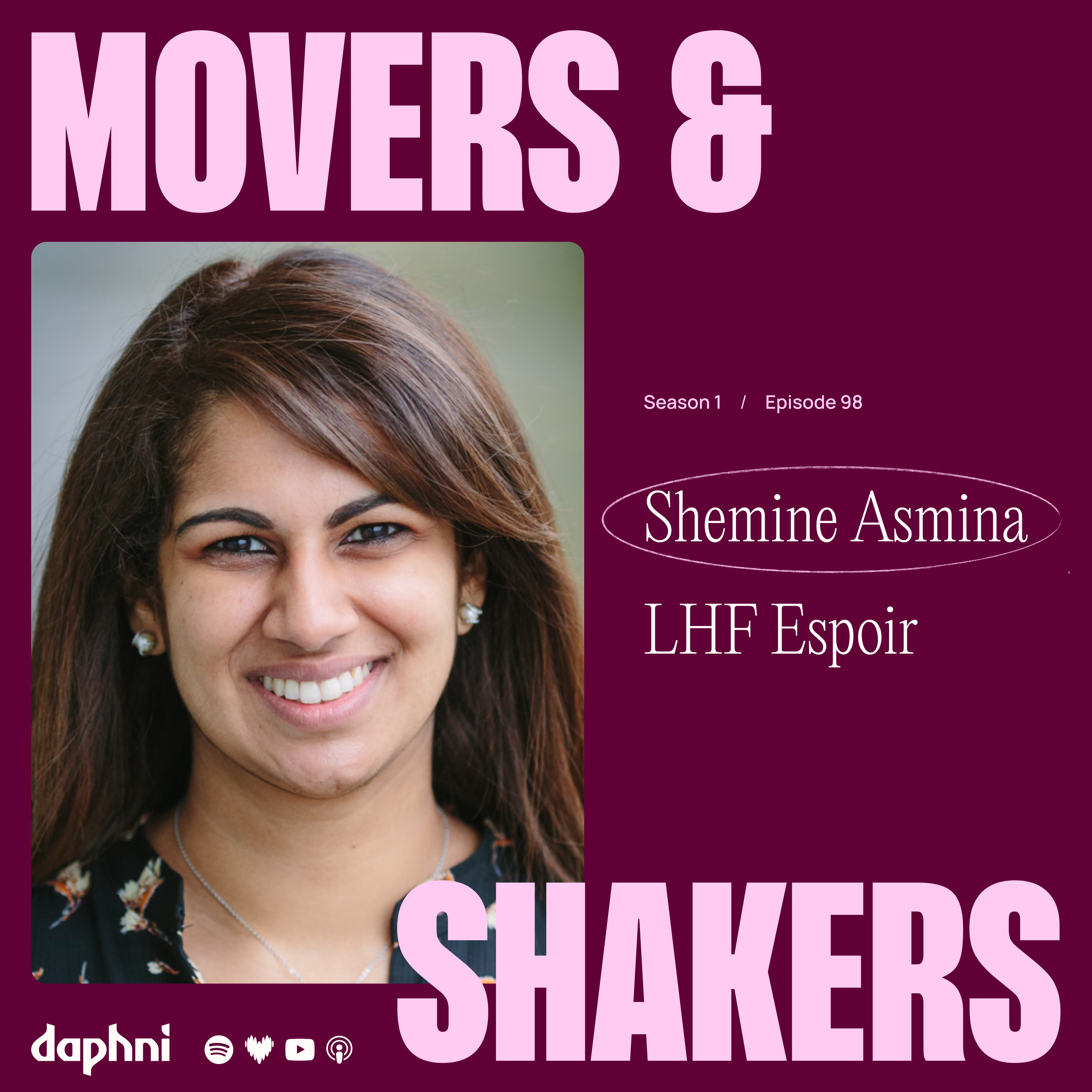
More episodes
Rethinking Cancer Treatment with Nuclear Fusion, with Tom Wallace-Smith (Astral Systems)
Bringing Solar Power Down From Space, with Jasper Deprez (TerraSpark)
Breaking the Cycle of Social Inequality, with Florence Massenot (Télémaque)
The Founder Community Changing Europe with Cristian Pinto (pluto)
The Power of Connection with Michel Jusforges (Autremonde)
Rethinking Startup Boards with Solènne Niedercorn (Finscale)

Reinventing franchising with Anton Soulier (Alpa)
Industrial Costs with Mickael Mamou (Relief)

Media as a Catalyst for Climate Innovation with Hugo Rauch (New Wave)