
The Midnight Trains hard stop, with Adrien Aumont
Why Some Ambitious Startup Projects Fail: Lessons from Midnight Trains
Ambitious startup projects fail due to execution complexity, capital intensity, market constraints, and timing challenges; founders learn resilience, realism, and the importance of aligning vision with operational and financial realities.
A Bold Vision That Captured Attention
Midnight Trains was built around a powerful concept: transforming overnight trains into premium “hotels on rails.”
The project combined:
- A strong brand narrative
- A compelling customer experience
- A clear environmental promise
Public and media enthusiasm suggested strong demand, making the idea appear both timely and obvious.
When Vision Meets Operational Reality
Despite early excitement, ambitious startups often face constraints that are less visible at the idea stage.
In capital-intensive sectors like transportation, challenges include:
- Infrastructure dependencies
- Regulatory complexity
- Long development timelines
- High upfront investment
These factors can slow execution and create friction between vision and reality.
The Gap Between Market Interest and Feasibility
Even when a concept resonates with audiences, success depends on more than demand.
Startups must align:
- Business model viability
- Financial sustainability
- Operational execution
A project can be inspiring and well-received, yet still struggle to reach the conditions required for scale.
Understanding Failure to Build Better Companies
The story of Midnight Trains illustrates a broader truth: ambitious ideas alone are not enough.
Success requires:
- Alignment between vision and execution
- Realistic assessment of constraints
- Continuous learning and iteration
For founders, failure is not the end, it is part of building long-term entrepreneurial experience.
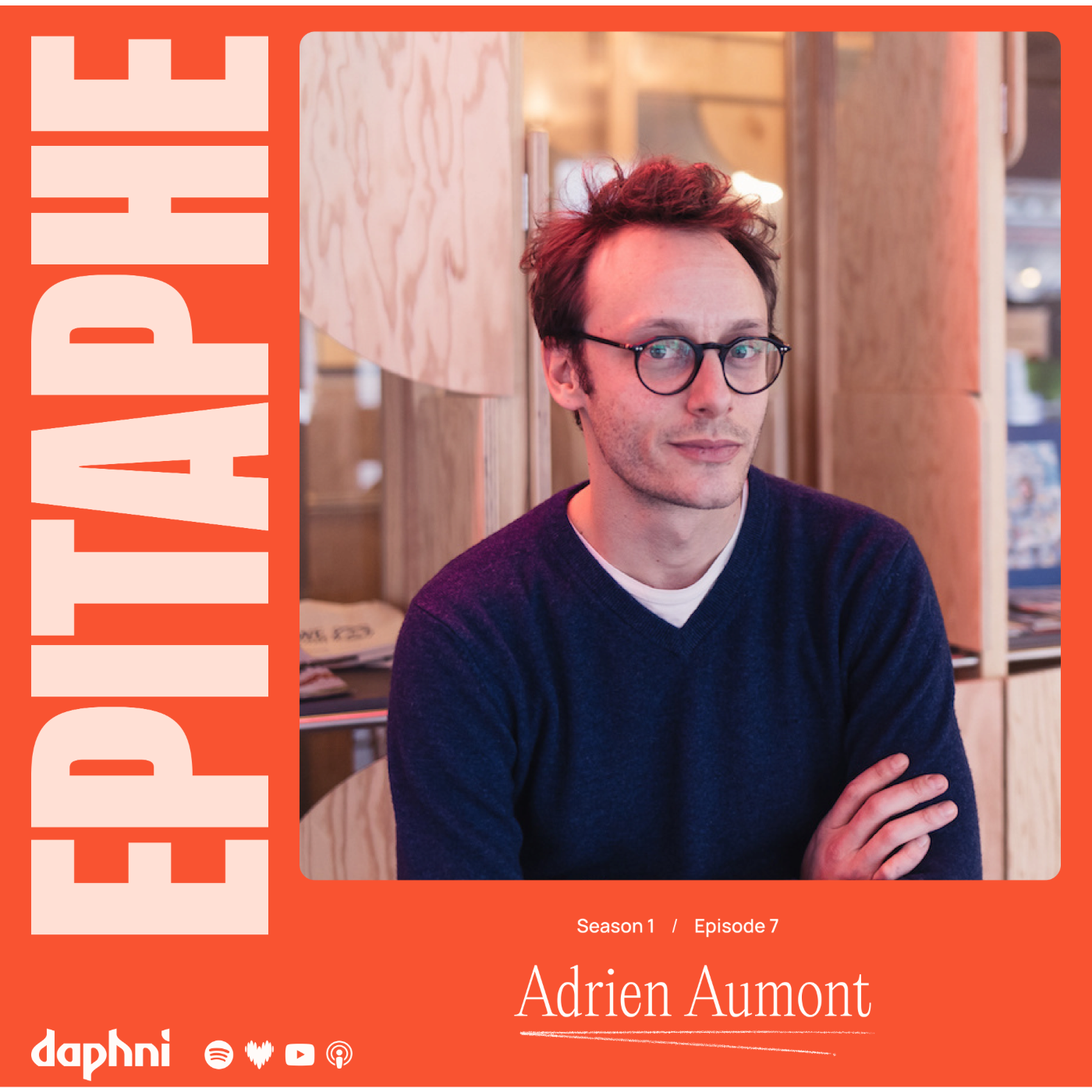
More episodes

The Reality of Deeptech with Sandra Rey (Glowee)
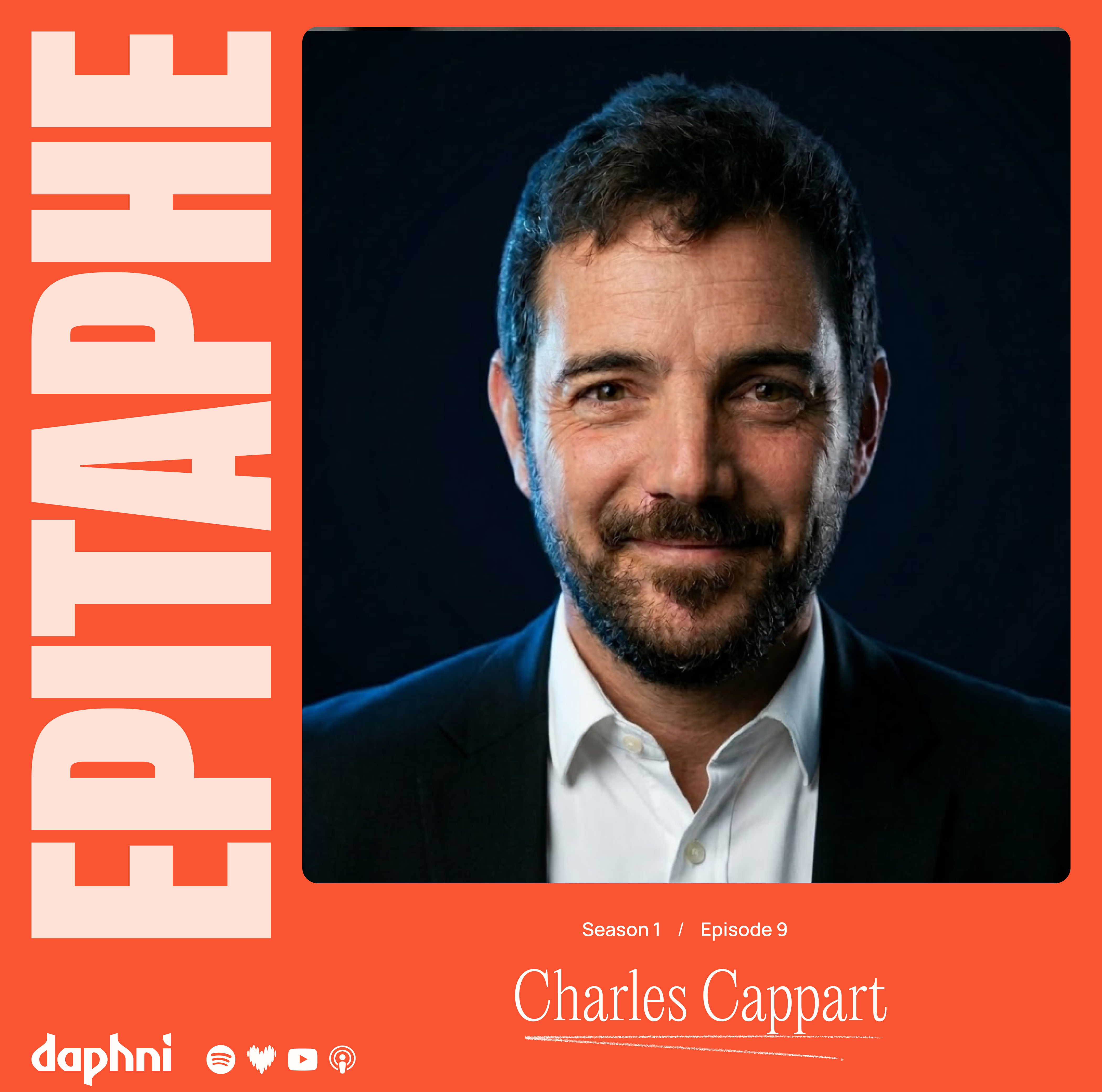
The Price of Conviction with Charles Cappart (PlayTV)

The Place2Swap early-mover dilemma, with Lucie Soulard
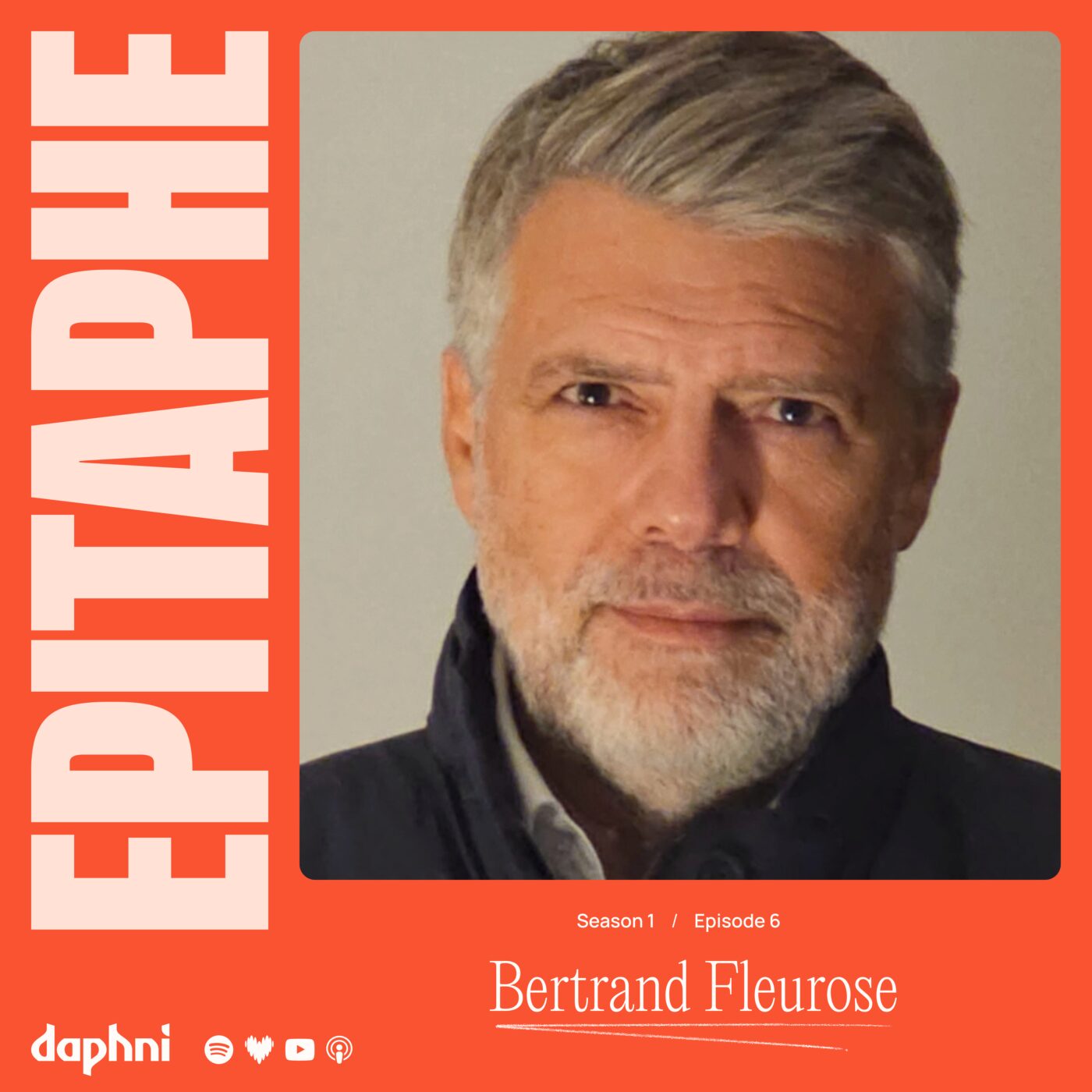
The CityScoot governance crash, with Bertrand Fleurose

The Rebound with Alexandra Boussommier (ImVitro)
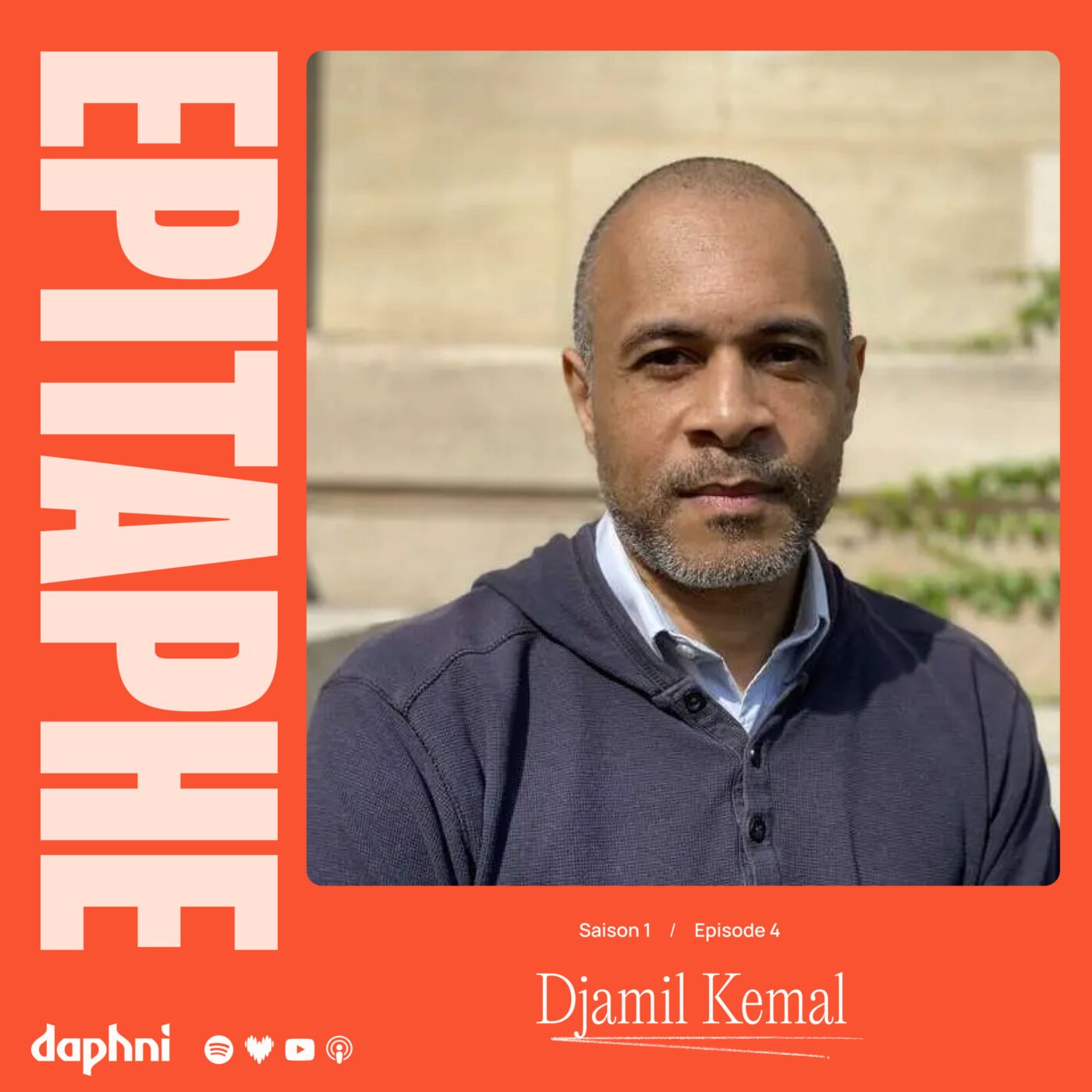
Mastering your market to perfection, with Djamil Kemal (Goshaba)
The Importance of Surrounding Yourself Well, with Yoann Alvarez (Save Market)

Switching to Survival Mode, with Edouard Minart (BAPBAP)
Climbing One Mountain at a Time, with Philippe Goldman (Pazzi)