
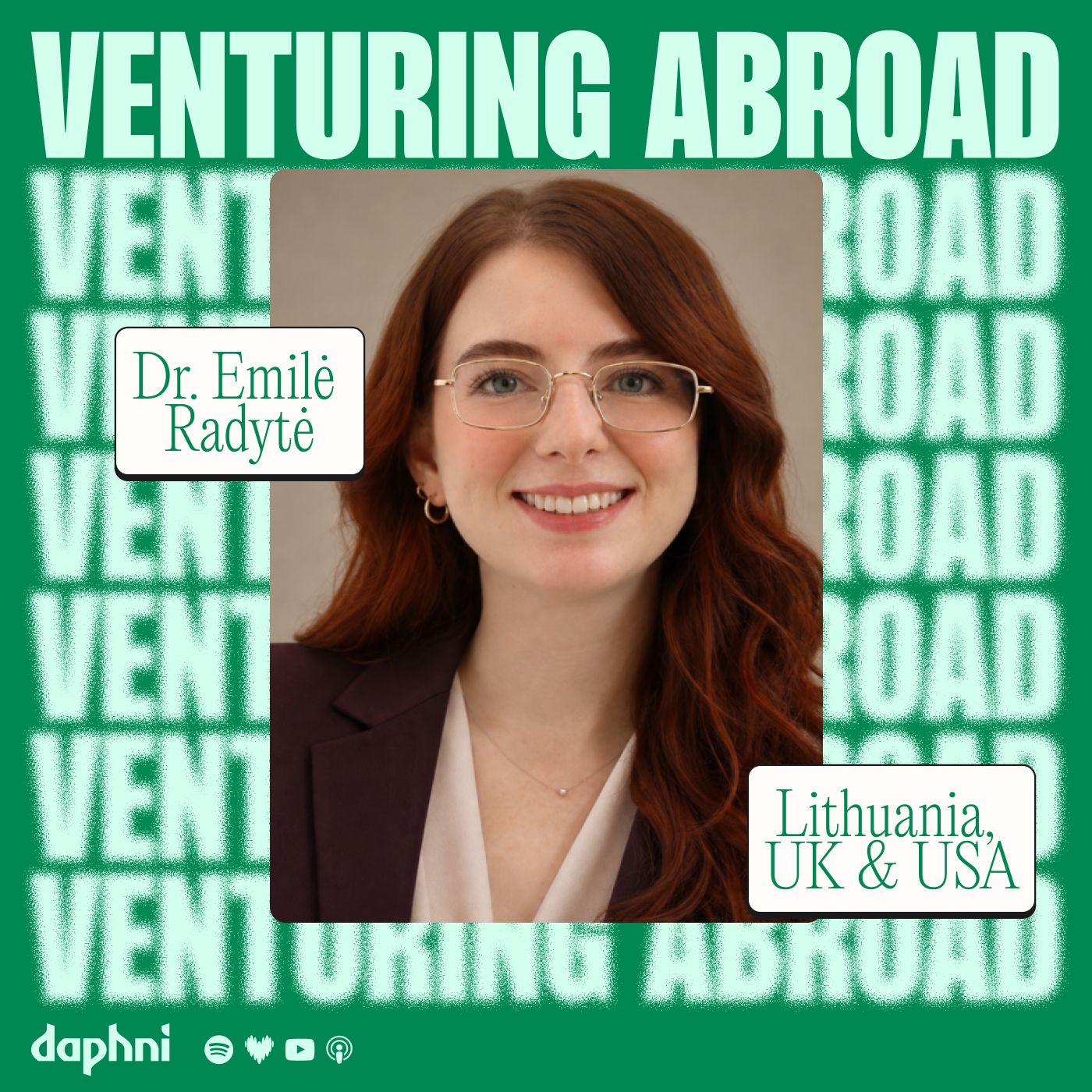
How Moving Abroad Changes the Way You Build with Emilė Radytė (Samphire Neuroscience)
Can Where You Build Change How Big You Think?
Yes. Where you build can shape how you think about ambition, risk and impact. For founders, moving across ecosystems can challenge assumptions and change what feels possible to build.
How does culture shape a founder’s ambition?
For Dr. Emilė Radytė, founder and CEO of Samphire Neuroscience, building across Lithuania, the UK and the US exposed her to very different attitudes toward entrepreneurship.
Growing up in Lithuania taught her resilience and a bias toward action. Studying neuroscience and anthropology at Harvard introduced her to an environment where high achievement was the norm, pushing her to define her own measures of success.
Later, her experience in the UK exposed her to a more cautious approach to entrepreneurship and risk. In the US, she encountered a different question: instead of focusing primarily on what could go wrong, people were more likely to ask how much bigger the opportunity and impact could become.
Can moving abroad change how you build?
Moving between countries does more than change a founder’s market. It can challenge assumptions about what a company should look like, how quickly it should grow and how ambitious its mission can be.
Emilė’s international journey took her from Lithuania to Harvard, Oxford and eventually San Francisco. Each ecosystem influenced how she approaches building Samphire Neuroscience today.
Her experience also highlights a reality of building globally: founders need to adapt not only their companies, but also themselves.
From scientist to global founder
Before founding Samphire Neuroscience, Emilė worked in neuroscience research and as an emergency medic. Seeing the gap between scientific discoveries and their impact on patients changed how she thought about innovation.
That experience eventually contributed to her decision to move from science into entrepreneurship and tackle an area historically underserved by research and innovation: women’s health.
Samphire Neuroscience develops neurotechnology for women’s health. Its first product, Nettle, is a wearable brain stimulation device designed to help manage menstrual symptoms.
What can founders learn from different ecosystems?
There is no single culture or ecosystem that defines how a company should be built. Exposure to different environments can instead give founders more ways to think about resilience, risk, ambition and impact.
In this episode of Venturing Abroad, Emilė joins Erica and Madison to explore what Lithuania, the UK and the US taught her about building a company, and how going global can change what a founder believes is possible.
More episodes

How Europe Can Build Global Tech Giants with Tom Guinness (Raising Europe)
How Spain Is Building a Global Startup Ecosystem with Deborah Li (Alta One)

How to Build the Next Generation of Climate Companies with Jonny Everett (Marble)
How to Lead in Silicon Valley with Denise Peck (ex-Cisco)
Analyzing Europe's tech ecosystem with Michael Jackson (investor)
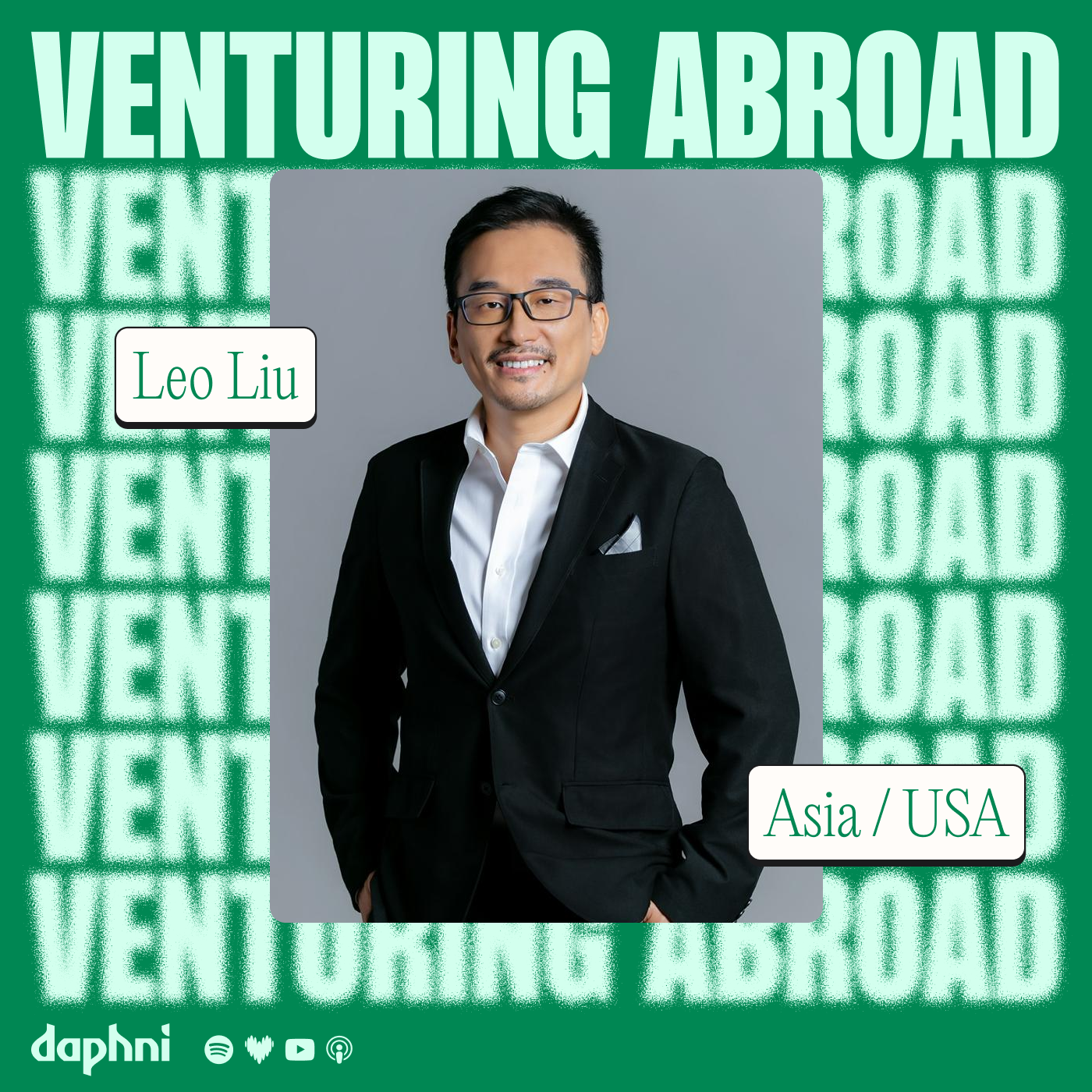
Breaking Into Silicon Valley & Leading Asian Innovation with Leo Liu (ex-Tesla)

Navigating Asia’s Tech Ecosystem with Ines Gafsi (Blissmi)
Breaking Down France’s Startup Revolution with Chris O'Brien (The French Tech Journal)
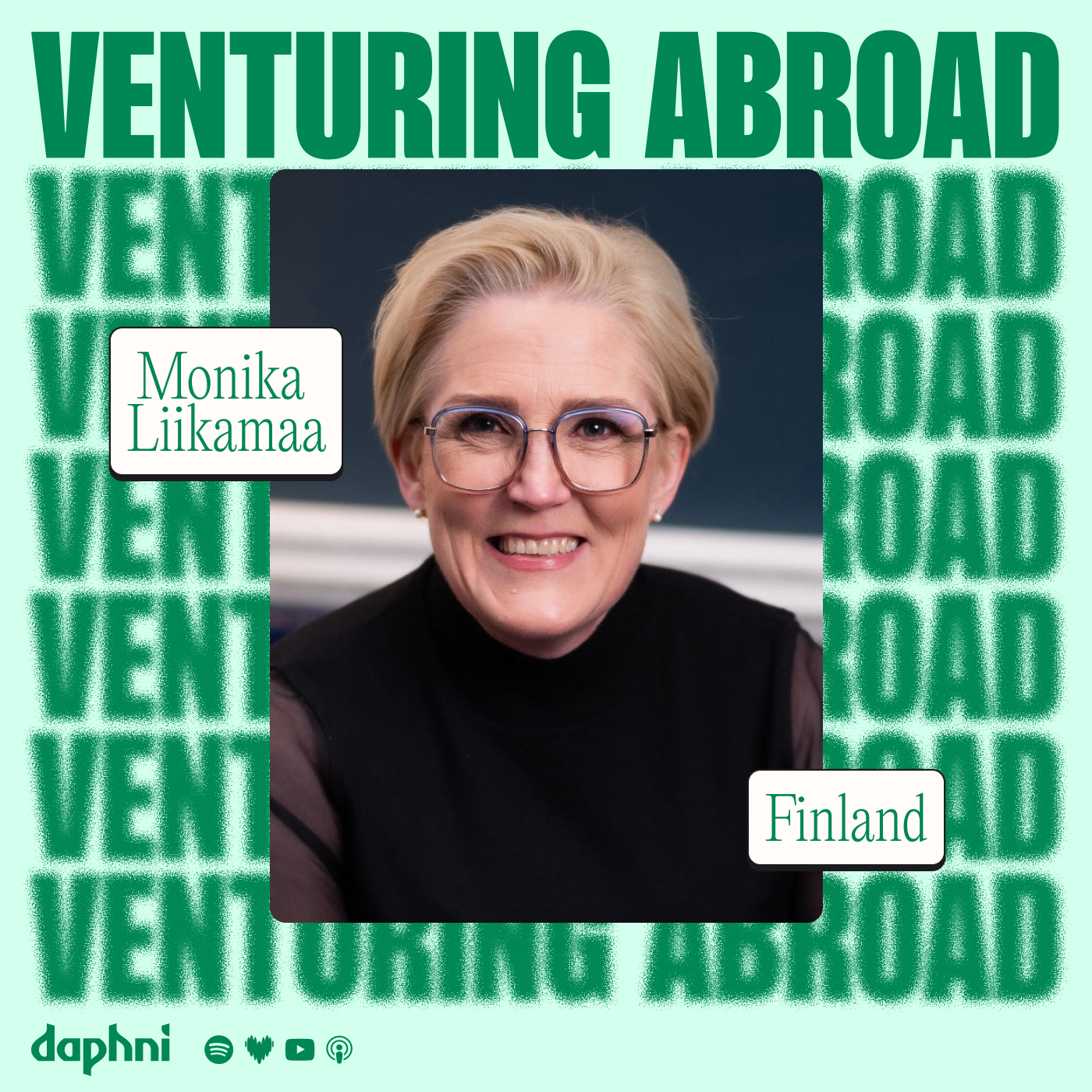
Building a World-Leading Company with Monika Liikamaa (Enfuce)