
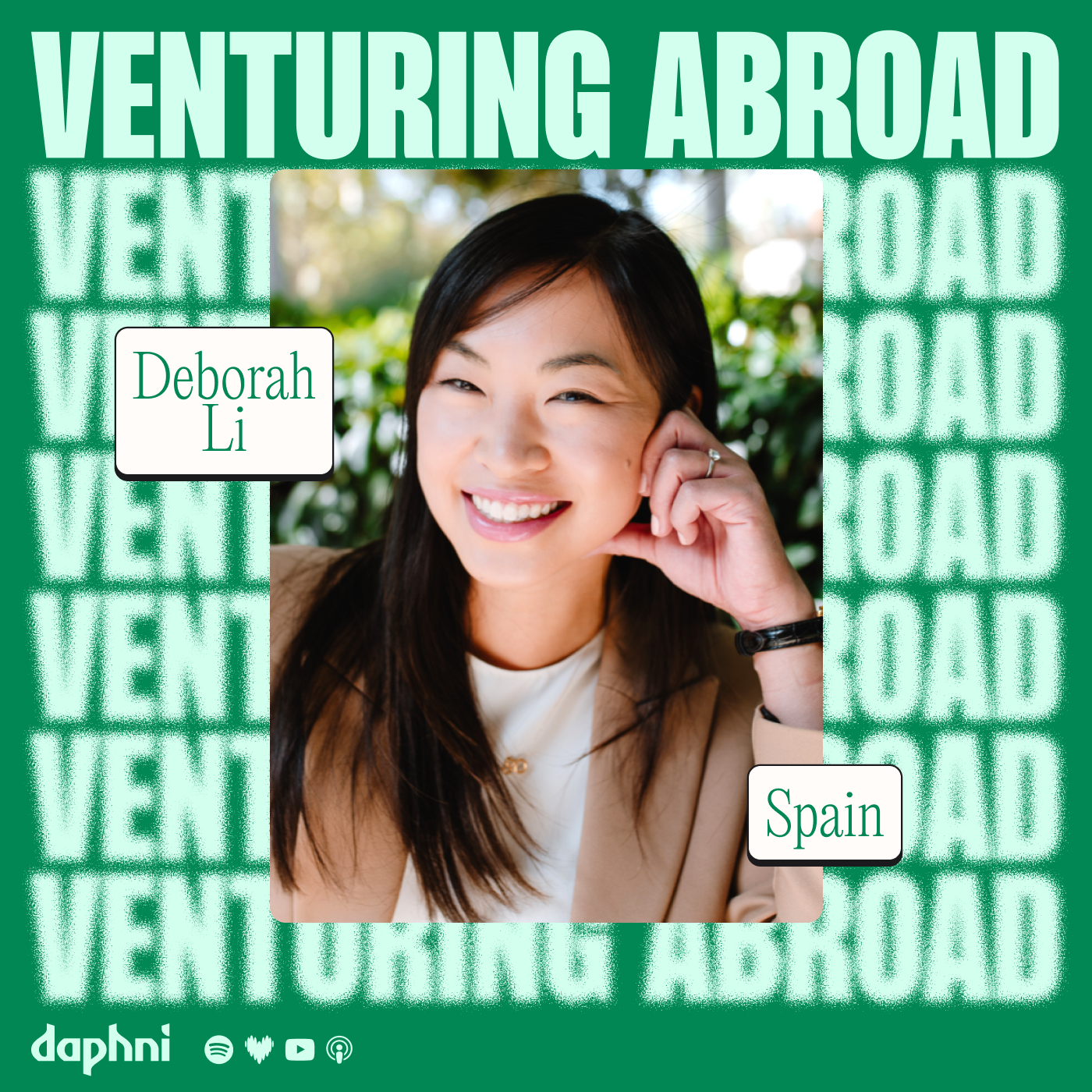
How Spain Is Building a Global Startup Ecosystem with Deborah Li (Alta One)
Why Is Spain Becoming One of Europe’s Most Promising Startup Ecosystems?
Spain is becoming one of Europe’s most promising startup ecosystems thanks to stronger global ambition, deep technical talent, international capital, growing founder networks, and increasingly outward-looking startups built for scale.
Spain’s Startup Ecosystem Is Becoming More Global
Spain’s startup ecosystem has changed significantly over the past decade. According to Deborah Li, founder of Alta One, one of the biggest shifts is the ambition of Spanish entrepreneurs.
When Deborah first moved from Brooklyn to Madrid nearly eight years ago, many founders focused primarily on winning the Spanish market. International expansion often meant looking toward Latin America.
Today, that mindset is changing. More Spanish founders are building companies with global markets in mind from the beginning, looking across Europe and increasingly toward the United States for customers, investors, and growth opportunities.
International Investors Are Paying More Attention to Spain
As Spanish founders become more international, global venture capital is following.
International investors are spending more time in the Spanish ecosystem, while Spanish VCs are also becoming more proactive about building relationships outside their home market.
For Deborah, this represents an important change in venture capital itself. Investors can no longer simply wait for promising founders to approach them. They need to build relationships early, meet entrepreneurs before they begin fundraising, and become part of their networks.
Madrid Is Attracting International Talent
Madrid is emerging as an increasingly international startup hub.
As Spain’s capital, the city has historically attracted talent from across the country. Now, it is also drawing more founders, operators, investors, and professionals from abroad.
That influx brings new networks, experience, capital, and perspectives into the local ecosystem. The result is a startup community that is becoming more connected to other European and international technology hubs.
Relationships Remain Central to Doing Business in Spain
Despite its growing internationalization, Spain retains a relationship-driven business culture.
When Deborah first arrived, she found that entering the ecosystem without existing connections could be difficult. Introductions, face-to-face meetings, and trusted relationships played an important role in opening doors.
That can create barriers for newcomers, but it also encourages founders and investors to build deeper, less transactional relationships.
For Deborah, this is something other startup ecosystems can learn from: venture capital is ultimately a people business, and trust matters.
More episodes
How to Build the Next Generation of Climate Companies with Jonny Everett (Marble)
How Moving Abroad Changes the Way You Build with Emilė Radytė (Samphire Neuroscience)
How to Lead in Silicon Valley with Denise Peck (ex-Cisco)
Analyzing Europe's tech ecosystem with Michael Jackson (investor)
Breaking Into Silicon Valley & Leading Asian Innovation with Leo Liu (ex-Tesla)
Navigating Asia’s Tech Ecosystem with Ines Gafsi (Blissmi)
Breaking Down France’s Startup Revolution with Chris O'Brien (The French Tech Journal)
Building a World-Leading Company with Monika Liikamaa (Enfuce)
From professional athlete to global investor, with Luben Pampoulov (GSV)