
A True Pioneer in Sustainability, with Sylvain Lambert (PwC)
How ESG Regulation and Data Help Reduce Environmental Impact
ESG regulation and data enable companies and investors to measure emissions, enforce accountability, guide capital allocation, and drive behavior change, turning sustainability from intention into auditable action with measurable environmental outcomes.
Why ESG Regulation Is Essential for Impact
Environmental progress rarely happens through anticipation alone. As Sylvain Lambert explains, regulation creates the necessary framework to move organizations from reactive behavior to structured, enforceable sustainability action.
The Role of European ESG Regulation
European regulation sets common standards that align companies and investors around shared environmental objectives. These rules create comparability, transparency, and pressure to act, accelerating real-world impact at scale.
Turning ESG Data Into Actionable Insights
ESG data is not just collected—it is analyzed, broken down, and audited. Reliable data allows organizations to identify emission sources, prioritize interventions, and track progress over time with credibility.
How Asset Managers Use ESG Data
For asset managers, ESG data informs four core focus areas: risk management, regulatory compliance, capital allocation, and long-term value creation. Sustainability becomes a strategic input, not a reporting exercise.
Carbon Pricing as a Behavioral Lever
Mechanisms like the carbon tax translate environmental impact into economic signals. By assigning a cost to emissions, regulation incentivizes companies to reduce carbon intensity across operations and supply chains.

More episodes
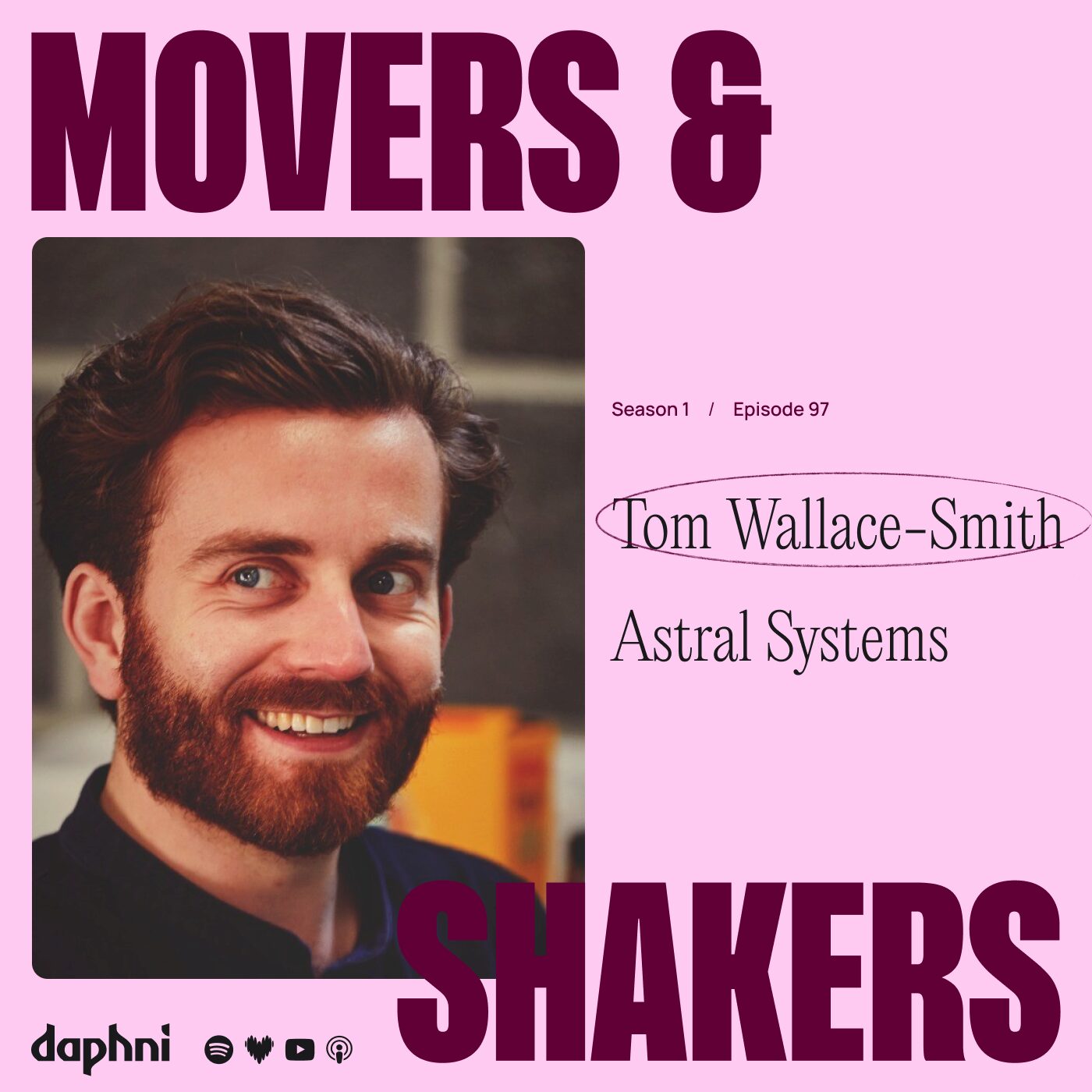
Rethinking Cancer Treatment with Nuclear Fusion, with Tom Wallace-Smith (Astral Systems)

Bringing Solar Power Down From Space, with Jasper Deprez (TerraSpark)

Breaking the Cycle of Social Inequality, with Florence Massenot (Télémaque)

The Founder Community Changing Europe with Cristian Pinto (pluto)

The Power of Connection with Michel Jusforges (Autremonde)

Rethinking Startup Boards with Solènne Niedercorn (Finscale)

Reinventing franchising with Anton Soulier (Alpa)

Industrial Costs with Mickael Mamou (Relief)

Media as a Catalyst for Climate Innovation with Hugo Rauch (New Wave)