
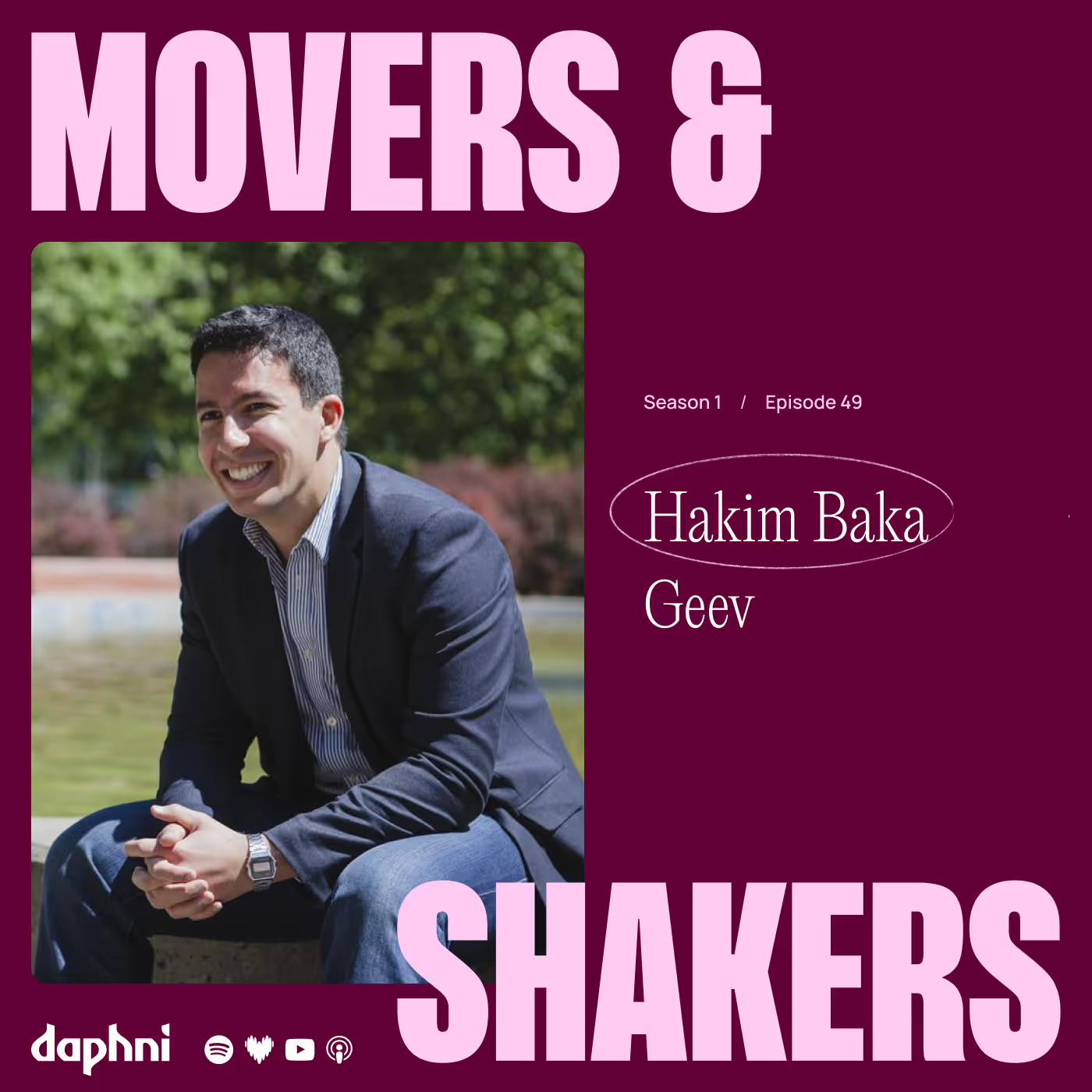
The Power of Giving, with Hakim Baka (Geev)
How Peer-to-Peer Platforms Accelerate the Adoption of the Circular Economy
Peer-to-peer platforms accelerate the circular economy by making reuse simple, social, and accessible, enabling individuals to donate, share, and recirculate goods at scale while reducing waste and changing everyday consumption habits.
Making Second-Hand a Daily Reflex
Peer-to-peer platforms lower the friction of reuse. By allowing individuals to donate objects and food directly to others, platforms like Geev turn second-hand consumption into an easy, everyday behavior rather than a conscious effort.
Scaling Impact Through Community Networks
Since its launch in 2016, Geev has grown to over 5 million users and enabled 25 million donations, proving that community-driven models can scale rapidly when built around trust and simplicity.
Reducing Waste Through Direct Exchange
By connecting donors and recipients locally, peer-to-peer platforms prevent usable goods and food from becoming waste. One donation every three seconds highlights how digital tools can drive continuous, real-world impact.
Designing Simple and Engaging User Experiences
Adoption depends on ease of use. Geev’s success shows that intuitive design, gamification, and positive social interactions encourage repeated use and long-term engagement with circular behaviors.
Building Sustainable Business Models for Impact
Beyond impact, peer-to-peer platforms must be financially sustainable. Geev’s €1.7M crowdfunding round demonstrates how community support and aligned funding can fuel growth while staying true to circular economy values.
More episodes
Rethinking Cancer Treatment with Nuclear Fusion, with Tom Wallace-Smith (Astral Systems)
Bringing Solar Power Down From Space, with Jasper Deprez (TerraSpark)

Breaking the Cycle of Social Inequality, with Florence Massenot (Télémaque)
The Founder Community Changing Europe with Cristian Pinto (pluto)

The Power of Connection with Michel Jusforges (Autremonde)
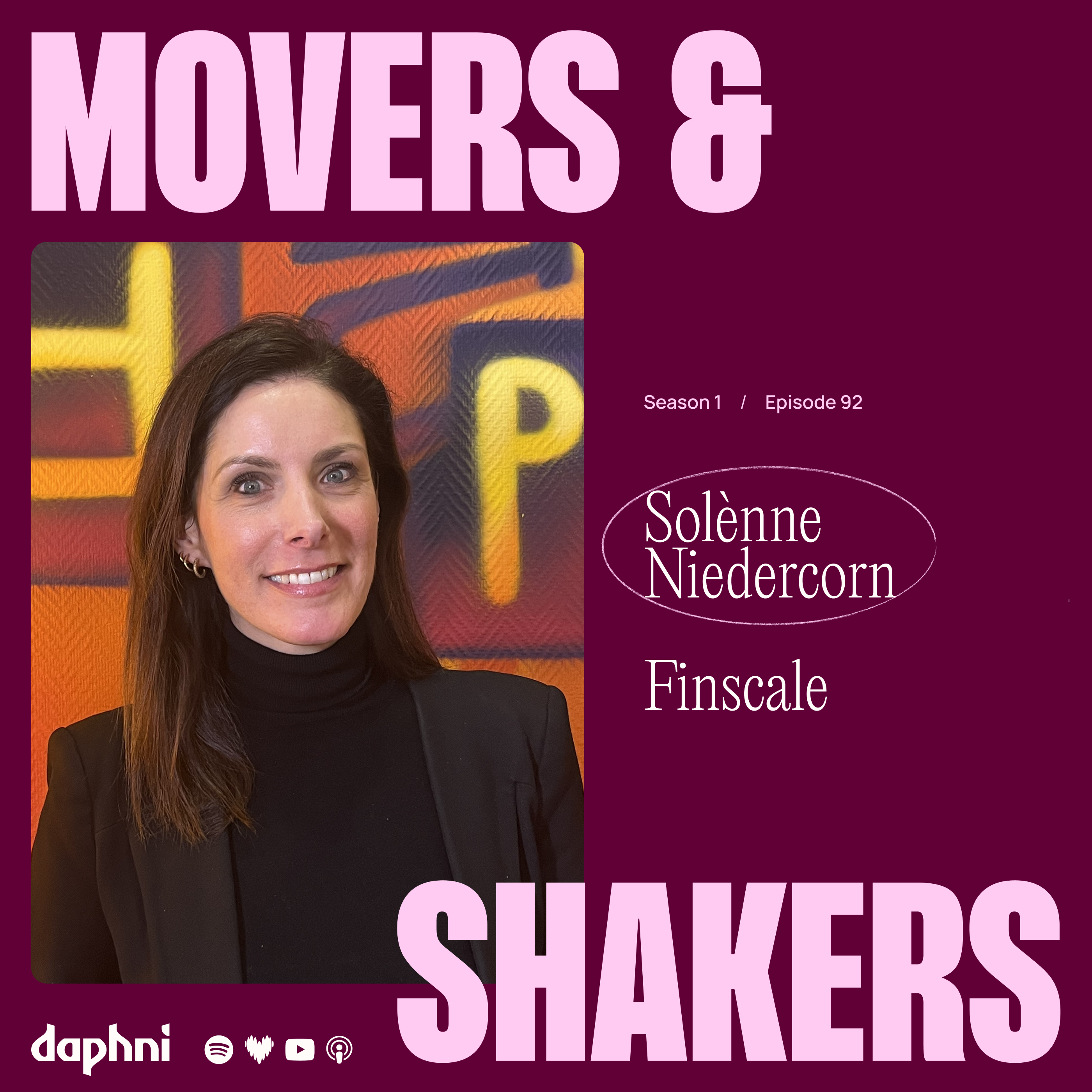
Rethinking Startup Boards with Solènne Niedercorn (Finscale)

Reinventing franchising with Anton Soulier (Alpa)
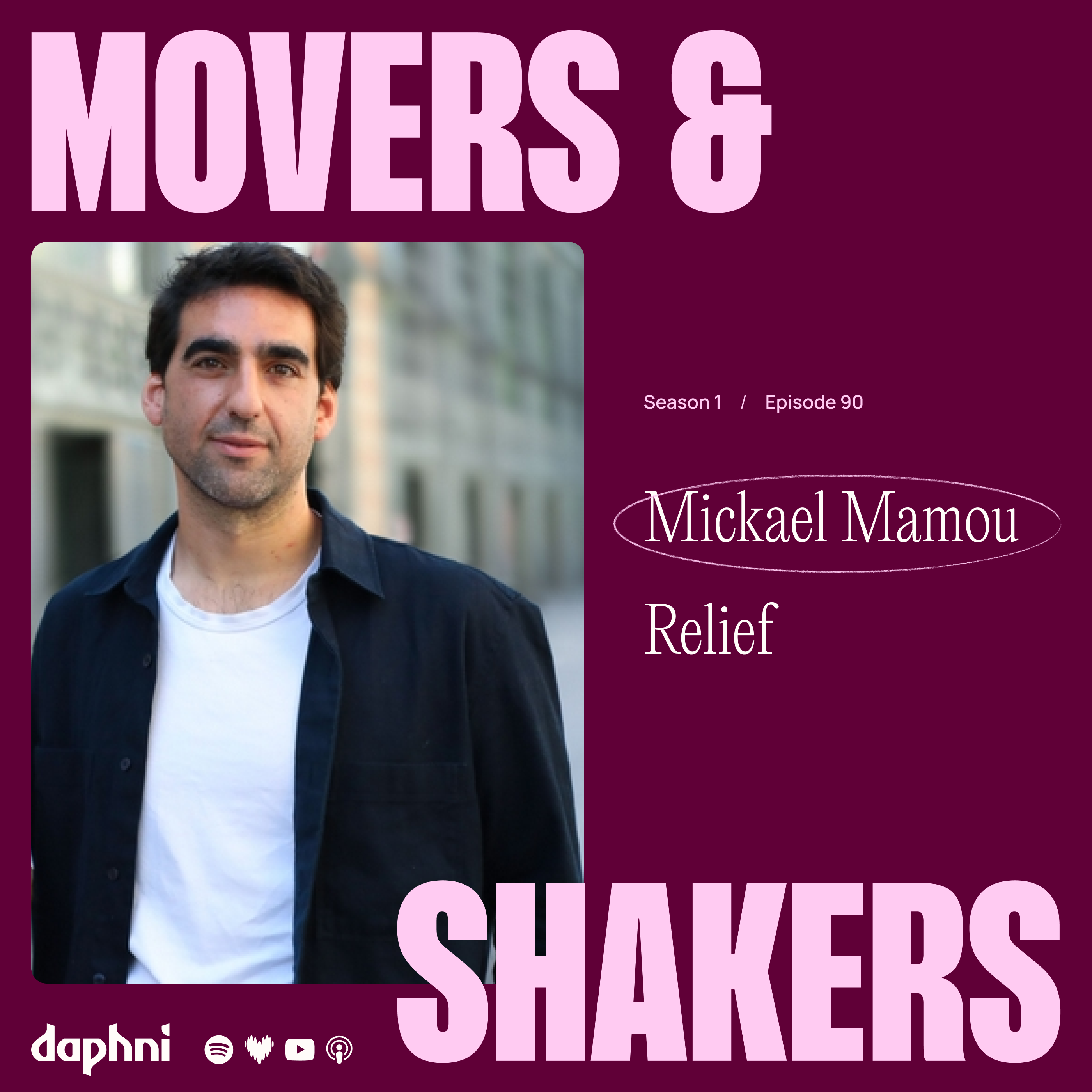
Industrial Costs with Mickael Mamou (Relief)

Media as a Catalyst for Climate Innovation with Hugo Rauch (New Wave)