
From Information to Education, with Julie Ranty (Pollen)
How Peer-to-Peer Learning Is Transforming Tech and Business Skills
Peer-to-peer learning platforms transform professional education by enabling direct knowledge transfer from practitioners, accelerating skill acquisition, keeping learning relevant, and aligning training with real-world tech and business challenges.
What Is Peer-to-Peer Learning in Professional Education?
Peer-to-peer learning connects professionals directly with other practitioners who actively work in their fields. Instead of theoretical courses, learners gain practical, experience-based insights grounded in real business and technology contexts.
Learning From Practitioners, Not Just Theory
Platforms like Pollen give access to professionals who share real methods, proven frameworks, and “secret sauces” they use daily. This approach shortens learning curves and improves real-world applicability.
Why Peer Learning Accelerates Skill Development
By learning from peers, professionals acquire up-to-date skills faster, adapt to industry changes, and avoid outdated academic content. Knowledge is continuously refreshed by those actively shaping the market.
Building a Culture of Continuous Learning
Peer-to-peer platforms foster communities where professionals exchange expertise, learn collaboratively, and grow together. This model supports lifelong learning, especially critical in fast-evolving tech and business environments.
From Media and Events to Learning Platforms
Julie Ranty’s journey, from Les Echos to VivaTech and then founding Pollen, illustrates how modern learning ecosystems emerge by combining content, community, and practitioner-led education into scalable platforms.

More episodes

Rethinking Cancer Treatment with Nuclear Fusion, with Tom Wallace-Smith (Astral Systems)
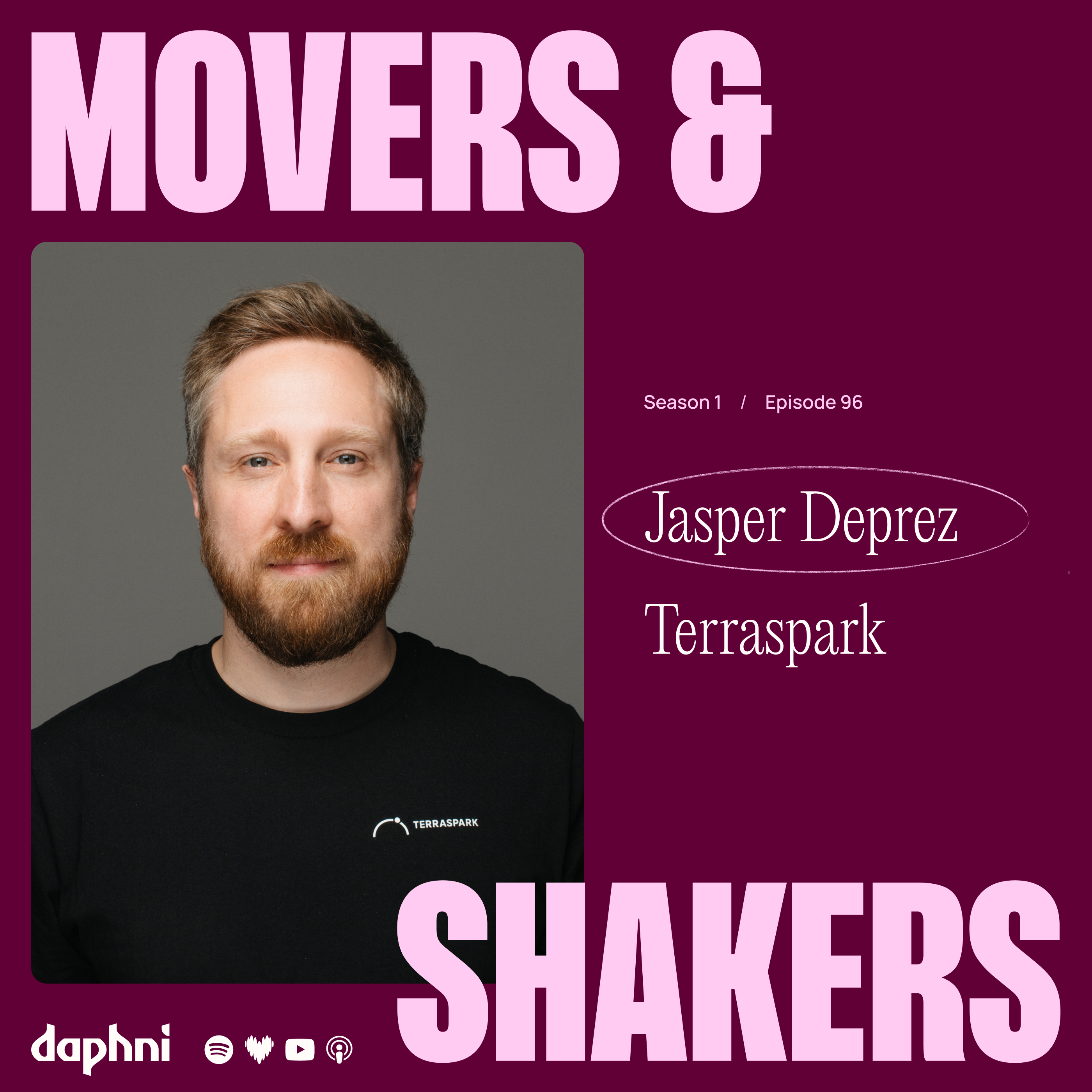
Bringing Solar Power Down From Space, with Jasper Deprez (TerraSpark)

Breaking the Cycle of Social Inequality, with Florence Massenot (Télémaque)

The Founder Community Changing Europe with Cristian Pinto (pluto)

The Power of Connection with Michel Jusforges (Autremonde)

Rethinking Startup Boards with Solènne Niedercorn (Finscale)

Reinventing franchising with Anton Soulier (Alpa)

Industrial Costs with Mickael Mamou (Relief)

Media as a Catalyst for Climate Innovation with Hugo Rauch (New Wave)