
Female Leadership, with Amandine de Souza (Leboncoin)
How Second-Hand Marketplaces Are Redefining the Future of Retail
Second-hand marketplaces can become consumers’ first choice by combining trust, convenience, and scale, making circular retail seamless, affordable, and desirable while reshaping habits toward sustainable consumption.
Making Second-Hand the Default Retail Choice
Second-hand platforms are no longer niche alternatives. By offering high-quality user experiences, reliable logistics, and transparent pricing, they can rival and outperform traditional retail channels.
Changing Consumer Habits Through Trust and Convenience
Trust is critical. Marketplaces that ensure product quality, secure transactions, and smooth returns remove friction and make buying second-hand as easy as buying new.
Scaling Circular Economy Models in Retail
By operating at scale, second-hand marketplaces normalize reuse and extend product lifecycles. This transforms circular economy principles into everyday consumer behavior rather than conscious trade-offs.
Leadership and Vision in Retail Transformation
Strategic leadership is essential to shift mindsets. By aligning technology, brand positioning, and sustainability goals, retail leaders can make second-hand not just acceptable, but aspirational.
From Sustainability to Mainstream Retail Performance
Second-hand succeeds when sustainability aligns with performance: better prices, wider selection, and smarter use of resources. This balance is what enables resale platforms to shape the future of retail.

More episodes
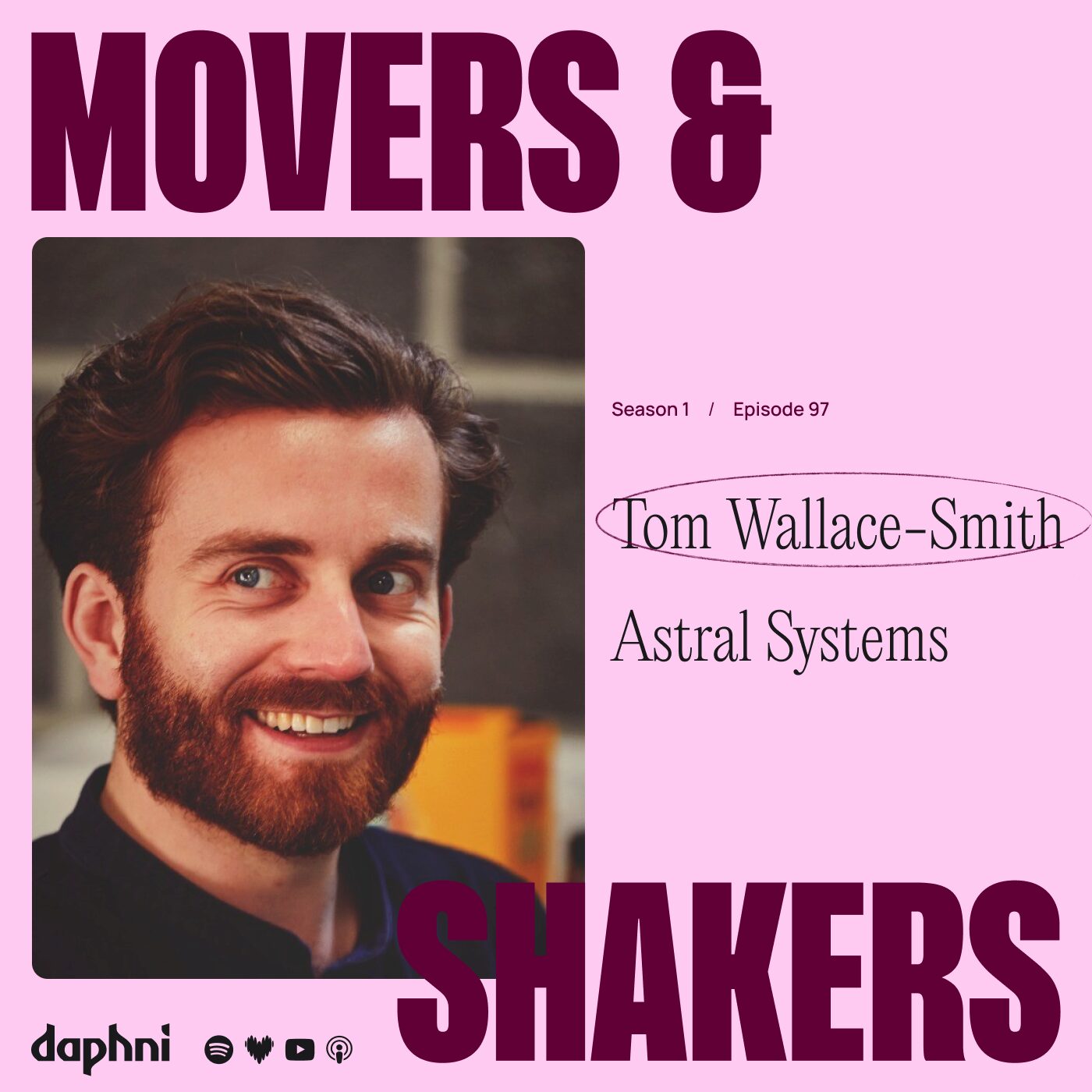
Rethinking Cancer Treatment with Nuclear Fusion, with Tom Wallace-Smith (Astral Systems)
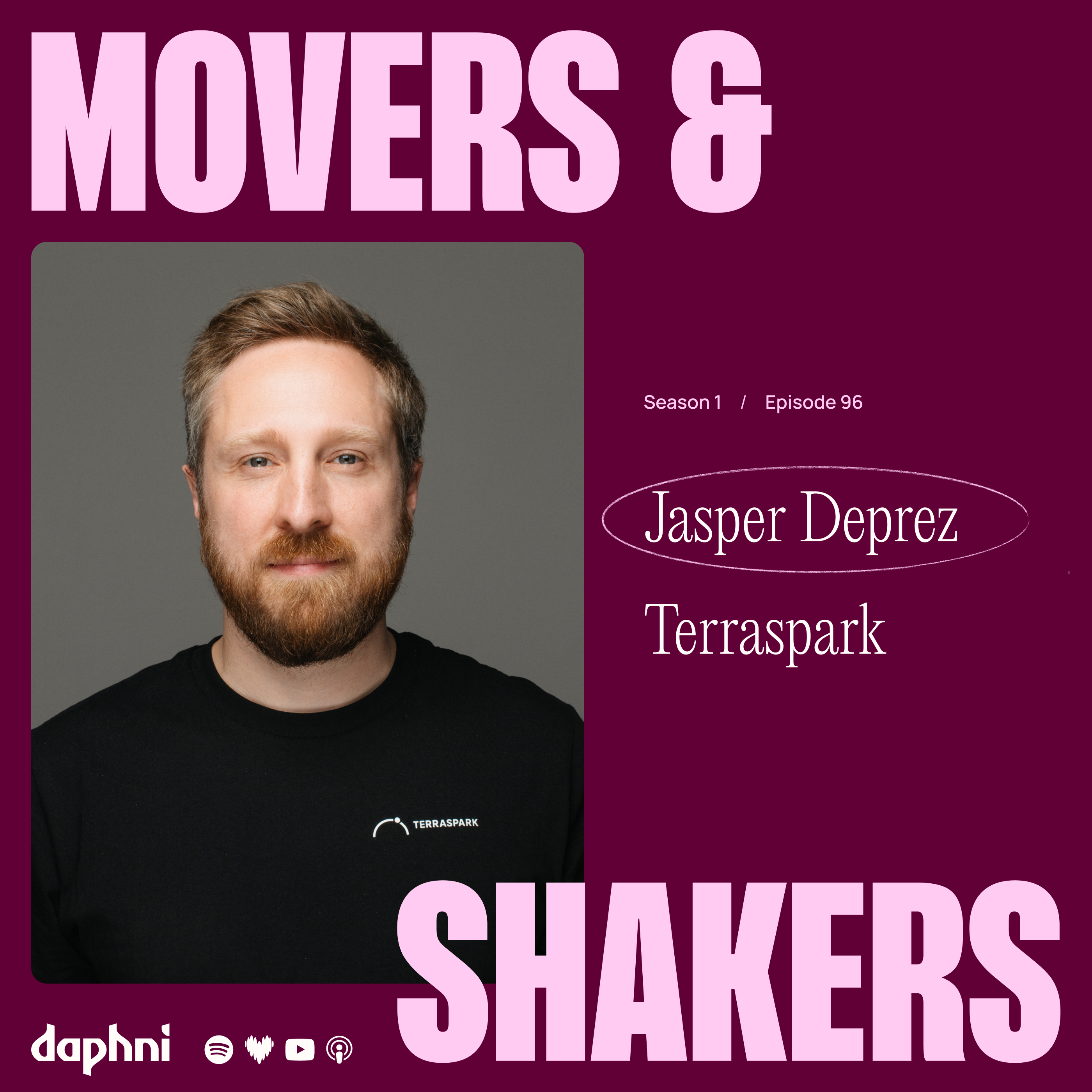
Bringing Solar Power Down From Space, with Jasper Deprez (TerraSpark)

Breaking the Cycle of Social Inequality, with Florence Massenot (Télémaque)
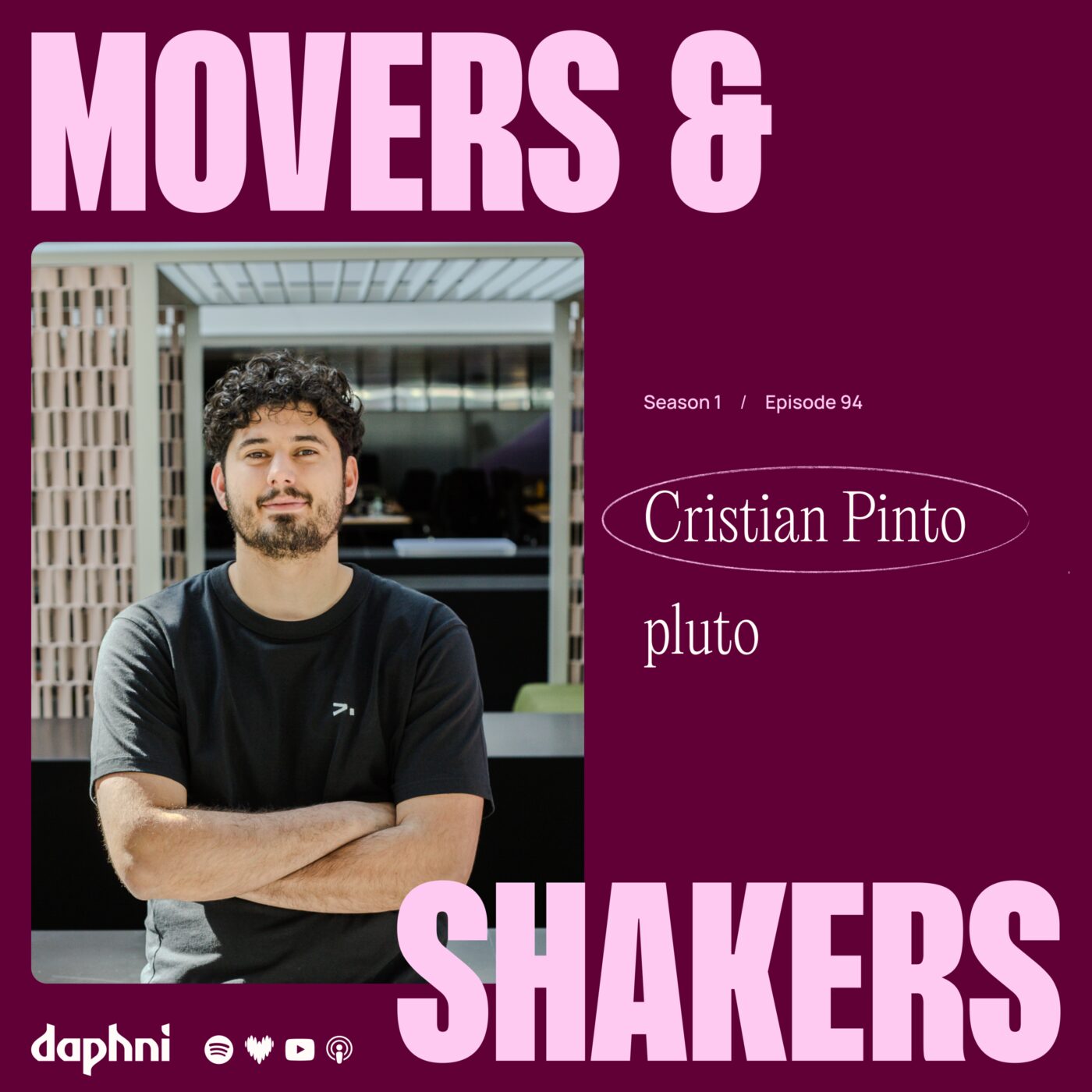
The Founder Community Changing Europe with Cristian Pinto (pluto)

The Power of Connection with Michel Jusforges (Autremonde)
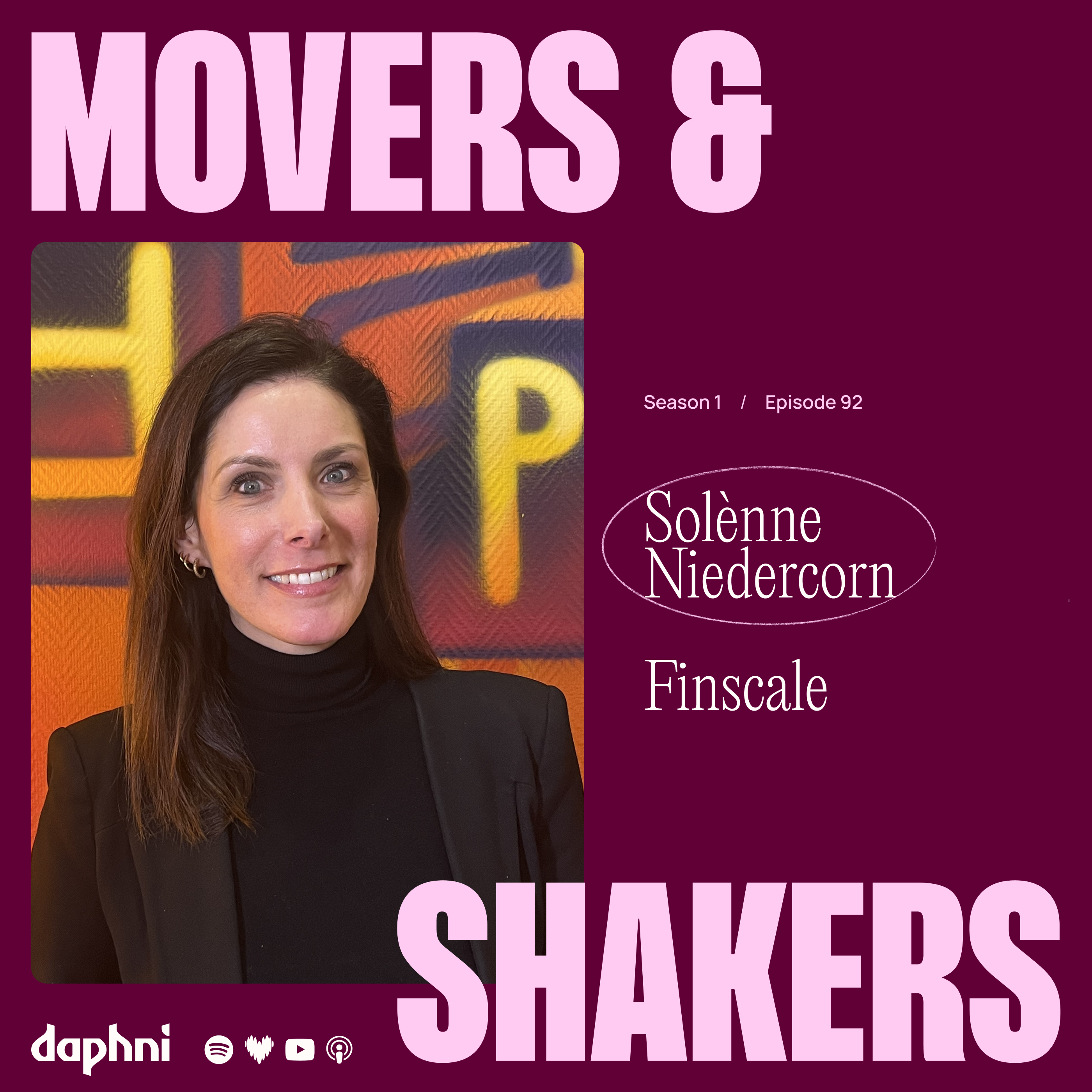
Rethinking Startup Boards with Solènne Niedercorn (Finscale)

Reinventing franchising with Anton Soulier (Alpa)
Industrial Costs with Mickael Mamou (Relief)

Media as a Catalyst for Climate Innovation with Hugo Rauch (New Wave)